
 1388xx888xx

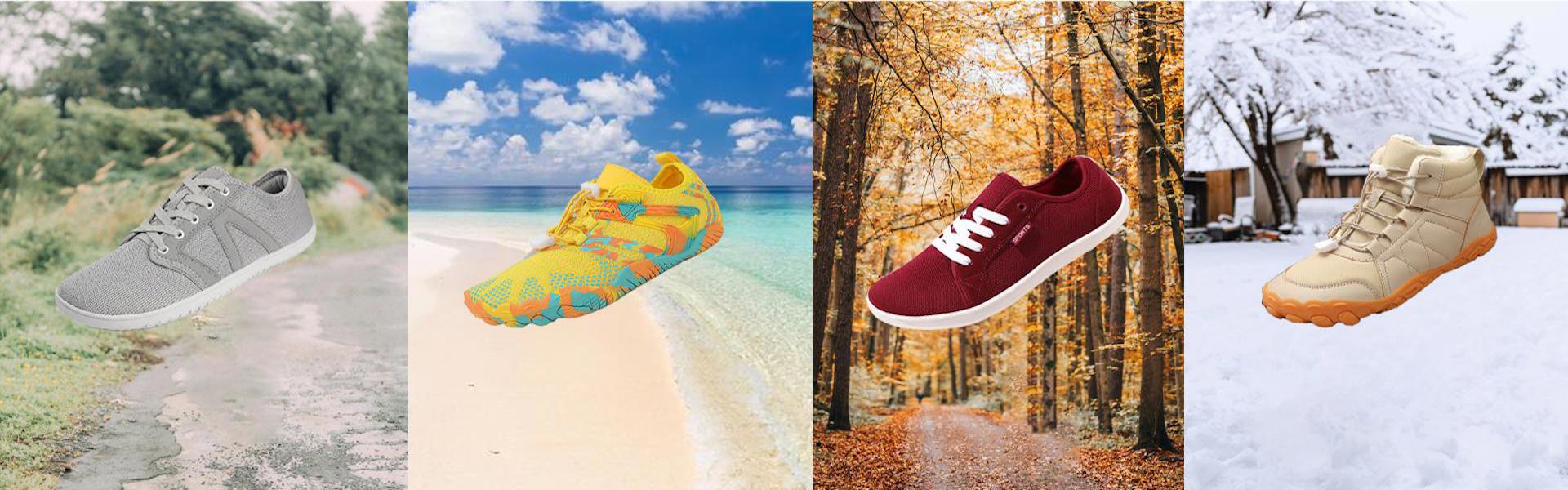

Бег – это не просто спорт, это образ жизни, который требует надежного снаряжения. Одним из ключевых элементов экипировки бегуна являются беговые туфли. Однако многие сталкиваются с тем, что одни пары служат годами, а другие изнашиваются за несколько месяцев. Почему так происходит? В этой статье мы глубоко погрузимся в причины, которые определяют долговечность беговых туфель, и предложим практические рекомендации для выбора и ухода за ними.
Введение в тему долговечности беговой обуви
Долговечность беговых туфель – это комплексная характеристика, зависящая от множества факторов. Она не только экономит деньги, но и обеспечивает безопасность и комфорт во время тренировок. Исследования показывают, что средний срок службы беговых туфель составляет от 300 до 500 миль (примерно 480-800 км), но этот показатель может варьироваться в широких пределах. Некоторые модели, благодаря высококачественным материалам и продуманной конструкции, могут прослужить значительно дольше.
В этой статье мы рассмотрим основные аспекты, влияющие на износ обуви: материалы верха и подошвы, конструктивные особенности, влияние производителя, условия эксплуатации, правильный уход и индивидуальные факторы бегуна. Мы также предоставим советы по продлению срока службы и обсудим экологические аспекты долговечной обуви.
Факторы, влияющие на долговечность: материалы верха
Материалы, используемые для верха беговых туфель, играют crucialную роль в их долговечности. Common материалы включают сетку (mesh), кожу, синтетические ткани и комбинации thereof. Сетчатые материалы, такие как engineered mesh, популярны благодаря их легкости и breathability, но они могут быть менее durable при интенсивной эксплуатации. Высококачественная сетка, например, от brands like Nike или Adidas, often treated with protective coatings to enhance durability.
Кожаные верха, though heavier, offer superior durability and resistance to abrasion. However, они могут lack breathability, что не ideal для длительных runs. Synthetic materials like thermoplastic polyurethane (TPU) or ethylene-vinyl acetate (EVA) composites provide a balance of lightweight, flexibility, and durability. Innovations in materials science, such as the use of recycled polymers or nano-coatings, are pushing the boundaries of longevity.
For instance, models with reinforced toe caps and heel counters made from durable synthetics can withstand more impact and friction. The choice of stitching and adhesives also matters; double stitching or welded seams reduce the risk of tearing. In summary, investing in shoes with high-quality, abrasion-resistant upper materials can significantly extend their lifespan.
Роль подошвы и амортизации
Подошва – это perhaps the most critical component for durability, as it bears the brunt of impact and wear. Midsole materials like EVA (ethylene-vinyl acetate) or polyurethane provide cushioning but can compress over time, losing their effectiveness. High-density EVA or newer materials like Boost from Adidas or React from Nike offer better longevity due to their resilient properties.
The outsole, typically made from carbon rubber or blown rubber, determines traction and wear resistance. Carbon rubber is harder and more durable, ideal for high-wear areas like the heel, while blown rubber is lighter but may wear faster. Some shoes feature strategic rubber placement, such as durable rubber in high-impact zones, to optimize lifespan.
Tread pattern and depth also influence durability; deeper lugs provide better grip but can wear down quicker on hard surfaces. Additionally, the overall construction, including the use of plates or shanks for stability, can affect how the shoe distributes force, reducing stress on specific areas. Choosing shoes with a durable outsole and innovative midsole technology can prevent premature breakdown.
Конструктивные особенности и дизайн
Конструкция беговых туфель encompasses elements like the last shape, heel-to-toe drop, and overall geometry. Shoes with a wider platform or reinforced structure tend to be more stable and durable, as they distribute pressure evenly. For example, motion control shoes often have denser materials in the midsole to prevent overpronation, which can reduce uneven wear.
The design of the upper, including the lacing system and fit, also impacts longevity. A secure fit minimizes internal movement, reducing friction and wear on the interior. Some models incorporate seamless designs or gusseted tongues to enhance durability by eliminating weak points.
Moreover, the weight of the shoe can be a factor; lighter shoes might use thinner materials that wear out faster, whereas heavier trainers often prioritize durability. However, advances in materials have allowed for lightweight yet durable options. Ultimately, a well-thought-out design that balances performance and robustness is key to extended lifespan.
Влияние производителя и бренда
Different brands invest varying levels of resources into research and development, which directly affects the durability of their products. Established brands like Asics, Brooks, or New Balance often use proprietary technologies and rigorous testing to ensure longevity. For instance, Asics' Gel cushioning or Brooks' DNA loft are designed to maintain performance over time.
Budget brands might cut corners on materials or construction to reduce costs, leading to shorter lifespans. It's essential to read reviews and consider the reputation of the manufacturer. Many brands offer warranties or durability guarantees, which can be a good indicator of confidence in their product.
Additionally, ethical manufacturing practices can influence quality; shoes made in factories with high standards tend to be more consistent and durable. Supporting brands that prioritize sustainability often means better materials and construction, as they aim for products that last longer and reduce waste.
Условия эксплуатации и поверхности
The environment in which you run plays a significant role in how quickly your shoes wear out. Running on hard surfaces like concrete or asphalt accelerates wear on the outsole, whereas softer trails or tracks are gentler. Irregular terrain can cause uneven wear, especially if the shoes aren't designed for it.
Weather conditions also matter; wet or muddy conditions can degrade materials faster, particularly if shoes aren't properly cleaned and dried. Exposure to UV light from the sun can break down synthetic materials over time, reducing their elasticity and strength.
To maximize durability, it's advisable to use shoes appropriate for the surface. For example, trail running shoes have more aggressive outsoles and protective features that handle rough conditions better than road shoes. Rotating between multiple pairs of shoes can also help, as it allows each pair to recover and reduces continuous stress on one set.
Правильный уход и обслуживание
Proper care can dramatically extend the life of running shoes. After each run, remove dirt and debris by brushing or rinsing with water. Avoid machine washing, as it can damage adhesives and materials; instead, hand wash with mild soap if necessary.
Drying is crucial; never use direct heat like a dryer, as it can warp the materials. Instead, air dry at room temperature, and stuff the shoes with newspaper to absorb moisture and maintain shape. Store shoes in a cool, dry place away from sunlight to prevent degradation.
Regular inspection for signs of wear, such as worn-out treads or compressed midsoles, can help you decide when to replace them. Using shoe trees or inserts can help preserve the structure. Additionally, avoiding wearing running shoes for other activities like walking or gym workouts can prevent unnecessary wear.
Индивидуальные факторы бегуна
Each runner's biomechanics affect how shoes wear. Factors like weight, gait pattern (e.g., overpronation or supination), and running style can cause uneven pressure on specific parts of the shoe. Heavier runners might experience faster compression of the midsole, while those with irregular gaits may wear down the outsoles asymmetrically.
Choosing shoes that match your foot type and running mechanics is essential for durability. For example, stability shoes are designed for overpronators to reduce excessive inward roll, which can prolong the shoe's life by distributing forces more evenly. Getting a professional gait analysis at a running store can help identify the best shoe for your needs.
Furthermore, training intensity and frequency play a role; high-mileage runners will naturally go through shoes faster. Listening to your body and replacing shoes when they lose cushioning or support can prevent injuries and ensure optimal performance.
Советы по выбору долговечных моделей
When selecting running shoes for longevity, consider the following tips: Opt for models with durable outsoles, such as those made from carbon rubber, and check for reinforced areas in high-wear zones. Look for brands known for durability, and read user reviews focusing on lifespan.
Pay attention to the midsole technology; materials like Adidas Boost or Nike React are praised for their resilience. Ensure a proper fit to minimize internal friction, and consider shoes with warranties or guarantees. If possible, test shoes in-store or consult with experts to find the best match for your running style.
Additionally, investing in multiple pairs for different surfaces or rotating them can spread out wear. Remember that the most expensive shoe isn't always the most durable; focus on the specific features that enhance longevity rather than just price or brand name.
Экологические аспекты и устойчивость
Durable running shoes contribute to sustainability by reducing waste. The footwear industry is a significant source of environmental impact, with millions of pairs discarded annually. Choosing long-lasting models means fewer replacements and less resource consumption.
Many brands are now incorporating recycled materials, such as plastic bottles or ocean waste, into their shoes, which can enhance durability while being eco-friendly. For example, Adidas' Primegreen line uses recycled materials without compromising performance.
Moreover, some companies offer recycling programs for old shoes, turning them into new products or materials. By supporting these initiatives and selecting durable shoes, runners can minimize their environmental footprint. Ultimately, longevity and sustainability go hand in hand, promoting a greener approach to running gear.
Заключение и итоги
В заключение, долговечность беговых туфель зависит от сложного interplay материалов, конструкции, производителя, условий эксплуатации, ухода и индивидуальных факторов. Выбирая обувь с высококачественными компонентами, надлежащим уходом и соответствием вашим needs, вы можете значительно продлить ее срок службы. Это не только экономит деньги, но и поддерживает вашу безопасность и performance на беговой дорожке.
Remember, investing in durability is an investment in your running journey. Stay informed, care for your gear, and enjoy every step with confidence.