
 1388xx888xx

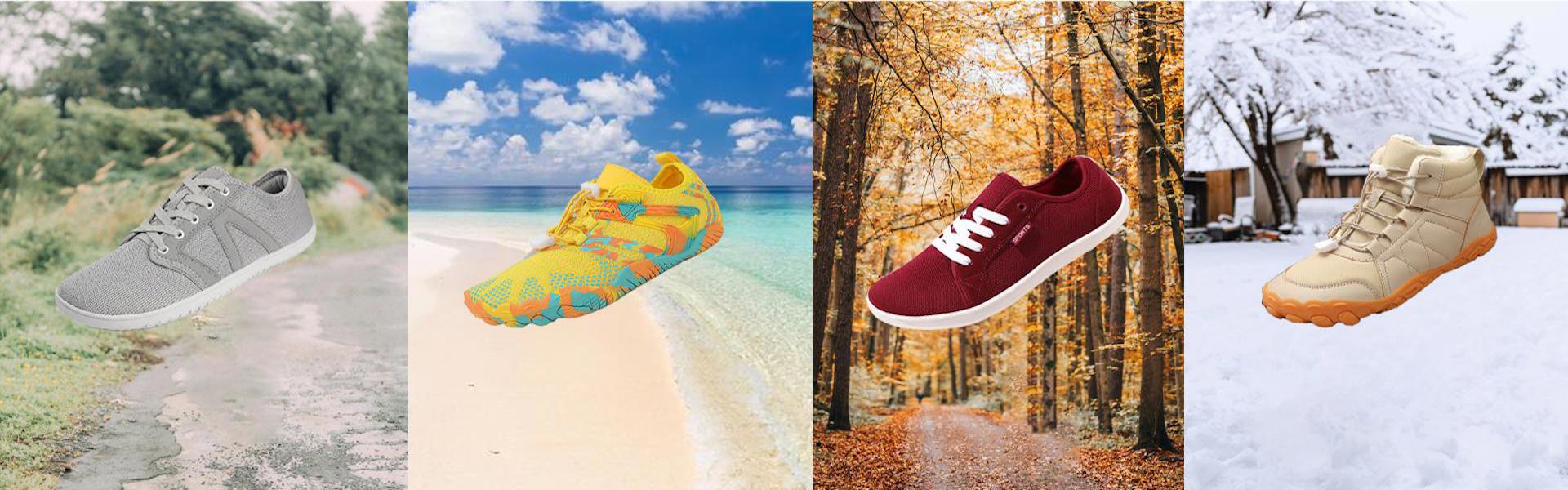

Бег — это один из самых популярных и доступных видов физической активности в мире. Он не требует специального оборудования или дорогостоящих абонементов, но при этом приносит огромную пользу для здоровья: улучшает сердечно-сосудистую систему, укрепляет мышцы, помогает сбросить вес и снижает стресс. Однако, многие начинающие и даже опытные бегуны сталкиваются с проблемами, связанными с дискомфортом, болью в ногах или травмами. Часто корень этих проблем кроется в неправильной поддержке стопы во время бега.
В этой статье мы подробно разберём, что такое надёжная поддержка для бега, почему она необходима независимо от типа обуви, и как обеспечить её с помощью современных технологий, правильного выбора обуви и дополнительных аксессуаров. Мы также обсудим, как поддержка влияет на производительность, предотвращает травмы и способствует долгосрочному здоровью ваших ног. Если вы бегаете в кроссовках, кедах или даже босиком, эта информация поможет вам бегать комфортнее и эффективнее.
Согласно исследованиям, до 70% бегунов хотя бы раз в жизни сталкиваются с травмами, связанными с бегом. Многие из этих травм можно предотвратить, обеспечив адекватную поддержку стопы. Поддержка — это не просто мягкая подошва или модный дизайн; это комплекс мер, включающий амортизацию, стабилизацию, правильную посадку и индивидуальные особенности вашей стопы. В следующих разделах мы углубимся в детали и предоставим практические советы для бегунов любого уровня.
Основы анатомии стопы и её роль в беге
Чтобы понять важность поддержки, сначала нужно разобраться в том, как устроена стопа и как она работает во время бега. Стопа человека — это сложный механизм, состоящий из 26 костей, 33 суставов и более 100 мышц, связок и сухожилий. Она выполняет три основные функции: амортизацию (поглощение ударов при контакте с землёй), стабилизацию (поддержание баланса) и propulsion (толчок для движения вперёд).
Во время бега стопа подвергается значительным нагрузкам — при каждом шаге на неё воздействует сила, в 2-3 раза превышающая вес тела. Если поддержка недостаточна, это может привести к перенапряжению, воспалениям (например, подошвенный фасциит) или более серьёзным травмам, таким как стрессовые переломы. Тип пронации (естественного движения стопы внутрь при приземлении) также играет ключевую роль. Существуют три типа пронации: нейтральная, избыточная (overpronation) и недостаточная (supination). Каждый тип требует специфической поддержки для предотвращения дисбаланса.
Для иллюстрации, рассмотрим пример: бегун с избыточной пронацией может испытывать боль в коленях или бёдрах из-за неправильного распределения нагрузки. В этом случае обувь с усиленной поддержкой медиальной части (внутренней стороны) поможет корректировать движение и снизить риск травм. Понимание своей анатомии — первый шаг к выбору правильной обуви и аксессуаров. В дальнейшем мы расскажем, как определить свой тип пронации и подобрать оптимальную поддержку.
Технологии в беговой обуви: От базовой амортизации до умных систем
Современная беговая обувь оснащена множеством технологий, предназначенных для обеспечения поддержки. Эти технологии evolved значительно за последние десятилетия, от простых резиновых подошв до сложных систем с гелем, воздушными подушками и датчиками. Давайте рассмотрим некоторые ключевые innovations.
Амортизация: Это, пожалуй, самая важная функция беговой обуви. Она поглощает удары при приземлении, reducing impact на суставы. Материалы like EVA (ethylene vinyl acetate), polyurethane, и различные gels (например, Gel от ASICS или Air от Nike) widely используются для этого. Например, технология Boost от Adidas использует вспененный материал TPU, который обеспечивает отличную energy return, делая бег более эффективным.
Стабилизация: Для бегунов с избыточной пронацией crucial является стабилизация. Многие бренды incorporate medial posts или dual-density midsoles to prevent overpronation. Brooks, for instance, uses its GuideRails technology to keep the foot aligned. Additionally, some shoes feature carbon fiber plates or rods to enhance propulsion and stability, as seen in models like Nike Vaporfly.
Умные технологии: В последние years, smart shoes с датчиками и connectivity стали популярными. Они can track metrics like cadence, foot strike, and even provide real-time feedback through apps. For example, Under Armour's HOVR series has embedded sensors that sync with MapMyRun app. These technologies not only offer support but also help runners optimize their form and prevent injuries.
Choosing the right technology depends on your individual needs. A neutral runner might prioritize cushioning, while someone with stability issues should look for motion control features. In the next section, we'll discuss how to select shoes based on these factors.
Как выбрать правильную обувь: Руководство для новичков и профессионалов
Выбор беговой обуви может быть overwhelming, учитывая множество options на рынке. Однако, следуя нескольким простым шагам, вы can find the perfect pair that provides reliable support. Вот comprehensive guide.
Шаг 1: Определите свой тип пронации. Вы can do this by visiting a specialty running store where experts can analyze your gait, or use a wet test at home: wet your foot and step on a paper towel; the imprint will show if you have neutral, overpronation, or supination. Alternatively, many apps and wearables now offer gait analysis.
Шаг 2: Consider the surface you run on. Road shoes are designed for pavement and offer more cushioning, while trail shoes have aggressive outsoles for grip on uneven terrain. If you run on both, hybrid shoes are available.
Шаг 3: Fit is crucial. Shoes should have about a thumb's width of space between your longest toe and the end of the shoe. They should feel snug but not tight, with no slipping at the heel. Always try shoes on in the afternoon when your feet are slightly swollen, and wear the socks you plan to run in.
Шаг 4: Think about durability and weight. Lighter shoes are great for speed but may sacrifice cushioning, while heavier shoes offer more support but can slow you down. Most running shoes last between 300-500 miles, so track your mileage and replace them regularly to maintain support.
Шаг 5: Don't forget about style and personal preference, but prioritize function over fashion. Read reviews and test shoes if possible. Many brands offer trial periods or return policies.
By following these steps, you can ensure that your shoes provide the support needed for a comfortable and injury-free run. Remember, the best shoe is the one that fits your unique feet and running style.
Аксессуары для дополнительной поддержки: Стельки, носки и не только
Иногда одной обуви недостаточно для optimal поддержки, especially if you have specific issues like flat feet or high arches. В таких cases, аксессуары can make a significant difference. Let's explore some popular options.
Ортопедические стельки: These are custom or over-the-counter inserts that provide additional arch support, cushioning, or correction for pronation. They can be used in any type of shoe to enhance comfort. For example, brands like Superfeet or Dr. Scholl's offer a range of products for different needs. If you have severe problems, consulting a podiatrist for custom orthotics is recommended.
Компрессионные носки: These socks apply gentle pressure to improve blood flow and reduce muscle fatigue. They can help with support by stabilizing the muscles and reducing vibration during running. Studies show that compression wear may decrease delayed onset muscle soreness (DOMS) and improve recovery.
Беговые ремни и браслеты: While not directly for foot support, accessories like fitness trackers or GPS watches can monitor your running metrics and alert you to form issues that might lead to injuries. For instance, if your cadence is too low, it could indicate overstriding, which increases impact.
Дополнительная амортизация: Products like heel pads or gel inserts can be added to shoes for extra cushioning in high-impact areas. These are especially useful if your shoes are wearing out or if you need temporary relief.
Using accessories wisely can complement your shoe choice and provide a holistic support system. However, avoid over-relying on them; the foundation should always be well-fitting shoes. In the next section, we'll talk about how to maintain your gear for long-term support.
Поддержка beyond обуви: Техника бега и укрепляющие упражнения
Надёжная поддержка — это не только about what you wear on your feet; it's also about how you run and the strength of your body. Poor running form or weak muscles can undermine even the best shoes. Here's how to build a solid foundation.
Техника бега: Focus on maintaining a short, quick stride with a mid-foot strike rather than heel striking. This reduces impact forces. Keep your posture upright, arms relaxed, and core engaged. Consider working with a running coach or using video analysis to improve form. Apps like Coach's Eye or devices like Stryd can help with this.
Укрепляющие упражнения: Strong muscles in the feet, ankles, legs, and core contribute to better support. Incorporate exercises like calf raises, toe curls, squats, and planks into your routine. Yoga and Pilates are excellent for improving flexibility and stability. For example, single-leg balances can enhance proprioception and prevent ankle rolls.
Растяжка и mobility: Regular stretching helps maintain range of motion and prevent tightness that can lead to injuries. Pay attention to the calves, hamstrings, and hip flexors. Foam rolling is also beneficial for releasing muscle tension.
By combining proper technique with strength training, you can reduce the reliance on external support and run more efficiently. Remember, consistency is key—make these practices part of your regular routine.
Общие ошибки и как их избежать
Many runners make mistakes that compromise support without realizing it. Being aware of these can help you stay on track. Here are some common pitfalls and how to avoid them.
Ошибка 1: Wearing old or worn-out shoes. As shoes age, they lose cushioning and support, increasing injury risk. Track your mileage and replace shoes every 300-500 miles or when you notice signs of wear like compressed midsoles.
Ошибка 2: Ignoring pain. Pain is a signal that something is wrong. Don't push through it; instead, rest, ice, and seek professional advice if needed. Addressing issues early prevents chronic problems.
Ошибка 3: Choosing shoes based on looks alone. Fashionable shoes might not provide the support you need. Always prioritize function and fit over aesthetics.
Ошибка 4: Sudden changes in training. Increasing mileage or intensity too quickly can overwhelm your body's support systems. Follow the 10% rule: increase weekly mileage by no more than 10% to allow adaptation.
Ошибка 5: Neglecting cross-training. Running alone can lead to muscle imbalances. Incorporate activities like swimming or cycling to build overall fitness and support.
Avoiding these mistakes will help you maintain reliable support and enjoy running long-term. In the conclusion, we'll summarize key takeaways.
Заключение: Бегите уверенно с надёжной поддержкой
В заключение, надёжная поддержка для бега essential для комфорта, производительности и предотвращения травм. Она encompasses не только выбор правильной обуви с advanced технологиями, но и использование аксессуаров, совершенствование техники бега, и укрепление тела. Независимо от того, в какой обуви вы бегаете — дорогих кроссовках или простых кедах — вы can achieve adequate support through mindful choices and practices.
Remember, every runner is unique, so what works for one person might not work for another. Experiment, listen to your body, and don't hesitate to seek expert advice. With the right support, you can run longer, faster, and healthier. Embrace the journey, and happy running!
For more tips and reviews, check out our other articles on running gear and training. Stay supported, stay motivated!