
 1388xx888xx

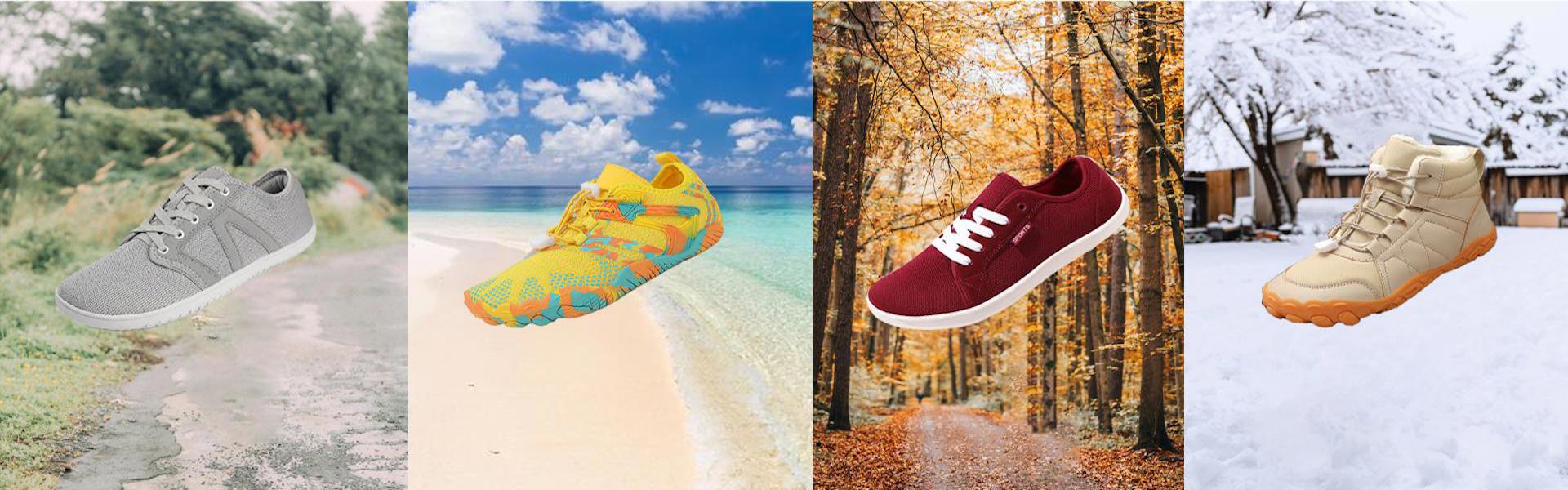

Бег — это один из самых популярных и доступных видов физической активности, который приносит огромную пользу для здоровья: улучшает сердечно-сосудистую систему, помогает поддерживать вес, снижает стресс и повышает общее самочувствие. Однако, несмотря на все преимущества, бег также связан с высоким риском травм, особенно если не уделять должного внимания экипировке. Среди всех элементов беговой экипировки обувь играет ключевую роль в предотвращении травм. В этой статье мы подробно разберем, почему правильная обувь для бега так важна, как она влияет на биомеханику, и дадим практические советы по выбору.
Введение в тему
Бег — это циклическое движение, которое involves repeated impact forces on the joints and muscles. При каждом шаге нога испытывает нагрузку, в несколько раз превышающую вес тела. Это может lead to various injuries, such as shin splints, plantar fasciitis, stress fractures, and knee problems. Правильная обувь acts as a shock absorber, distributing these forces evenly and reducing the risk of injury. Without adequate footwear, the risk increases significantly, especially for beginners or those with pre-existing conditions.
Биомеханика бега и роль обуви
Чтобы понять, почему обувь так важна, необходимо рассмотреть биомеханику бега. Бег involves a complex interplay of muscles, tendons, ligaments, and bones. The foot strike — момент, когда стопа касается земли — is critical. There are three main types of foot strikes: heel strike, midfoot strike, and forefoot strike. Each type has its own implications for injury risk.
Heel strike is common among recreational runners but can lead to higher impact forces on the knees and hips. Midfoot and forefoot strikes are often associated with better shock absorption but require stronger calf muscles. Правильная обувь can help adapt to your natural foot strike or encourage a healthier pattern. For example, shoes with good cushioning in the heel can reduce impact for heel strikers, while minimalist shoes might promote a forefoot strike.
Additionally, pronation — the natural inward roll of the foot during impact — is another key factor. Overpronation (excessive inward roll) or underpronation (insufficient roll) can lead to imbalances and injuries. Обувь designed for stability or motion control can correct these issues, providing support where needed.
Типы беговых травм и как обувь помогает их предотвратить
Common running injuries include:
- Shin splints: Pain along the shin bone, often caused by overuse or improper footwear. Shoes with good arch support and cushioning can reduce stress on the shins.
- Plantar fasciitis: Inflammation of the tissue on the bottom of the foot. Supportive shoes with a firm midsole can alleviate this.
- Stress fractures: Small cracks in bones due to repetitive stress. Cushioned shoes help absorb shock and distribute force.
- Runner's knee: Pain around the kneecap, often linked to biomechanical issues. Proper shoes can improve alignment and reduce strain.
Studies show that up to 50% of running injuries are related to footwear. For instance, a study published in the British Journal of Sports Medicine found that runners wearing shoes with inadequate cushioning had a higher incidence of injuries. Therefore, investing in the right shoes is not just a luxury but a necessity for injury prevention.
Как выбрать правильную обувь
Choosing the right running shoes involves several steps:
- Determine your foot type: Are you flat-footed, have high arches, or neutral? This affects the type of support you need. You can do a wet test at home or get a professional gait analysis.
- Consider your running style: Do you run on roads, trails, or tracks? Different surfaces require different shoes. Road shoes have more cushioning, while trail shoes offer better grip and protection.
- Look for key features: Cushioning, stability, flexibility, and weight are important. Modern shoes often incorporate technologies like gel, air, or foam for enhanced performance.
- Try them on: Always try shoes with running socks and walk or run a bit to ensure comfort. They should feel snug but not tight, with room for toe movement.
- Replace regularly: Running shoes lose their cushioning after about 300-500 miles. Worn-out shoes increase injury risk, so track your mileage and replace them timely.
Советы для начинающих и опытных бегунов
For beginners, start with a well-cushioned, supportive shoe to ease into running. As you gain experience, you might experiment with different types, but always prioritize comfort and injury prevention. Experienced runners should consider rotating between multiple pairs to vary the stress on muscles and reduce overuse injuries.
Additionally, complement your footwear with proper running technique. Strengthening exercises for legs and core can further reduce injury risk. Remember, shoes are a tool, not a cure-all; they work best when combined with good habits.
Заключение
В заключение, правильная обувь для бега является фундаментальным элементом в предотвращении травм. Она не только поглощает ударные нагрузки, но и корректирует биомеханические недостатки, обеспечивая безопасность и комфорт во время бега. Инвестируя в качественную обувь и регулярно ее заменяя, вы можете значительно снизить риск травм и наслаждаться бегом долгие годы. Не экономьте на своем здоровье — выберите обувь, которая подходит именно вам, и бегите с уверенностью!
Для получения дополнительной информации проконсультируйтесь со специалистом или посетите специализированные магазины, где вам помогут подобрать идеальную пару. Бегите умно, бегите безопасно!