
 1388xx888xx

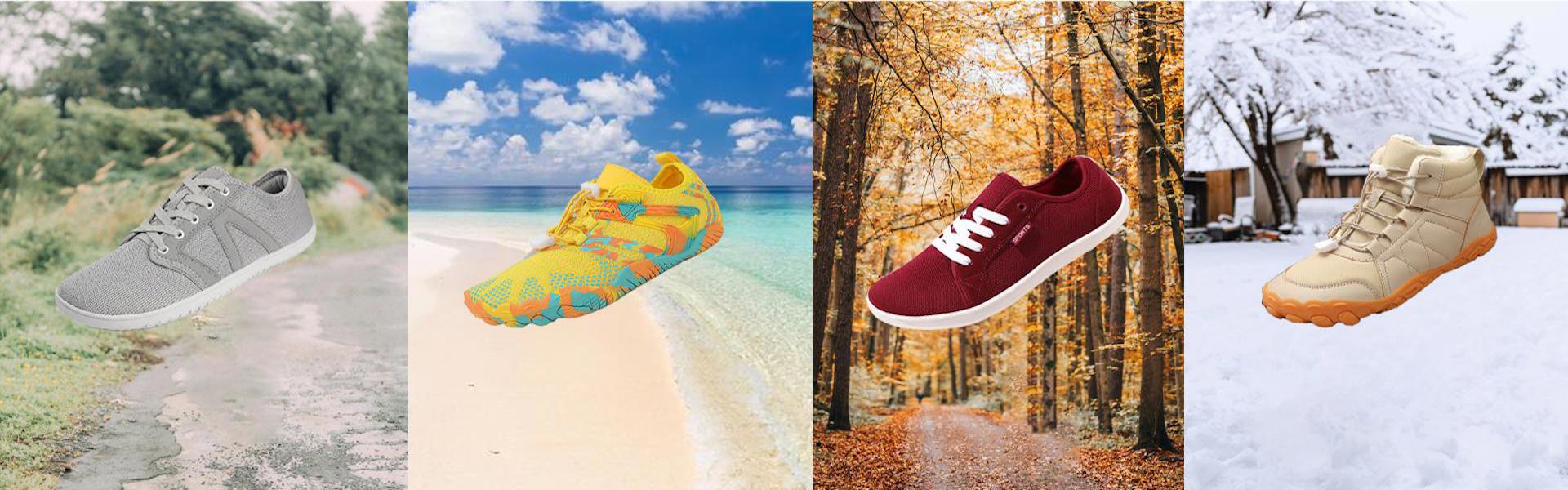

Бег — это один из самых популярных и доступных видов физической активности в мире. Он улучшает cardiovascular health, помогает поддерживать вес, снижает stress и повышает общее благополучие. Однако, несмотря на все преимущества, бег также связан с высоким риском травм. Многие бегуны, особенно новички, сталкиваются с проблемами, такими как боли в коленях, шины на голени, подошвенный фасциит и другие injuries. В поисках решения они often обращаются к концепции "амортизации" — идее, что специальная обувь или техника могут полностью поглотить удары и предотвратить травмы. Но так ли это на самом деле? В этой статье мы глубоко погрузимся в тему, разоблачим миф о "невозможной амортизации" и предложим практические стратегии для бега без травм.
Введение: Почему амортизация — не панацея
Амортизация в беговой обуви стала модным трендом decades ago. Производители обещают, что их кроссовки с advanced cushioning technologies, такими как пенные midsole, гелевые вставки или воздушные подушки, могут significantly reduce impact forces и защитить суставы. Но исследования показывают, что чрезмерная reliance на амортизацию может actually increase риск травм. Например, study, опубликованный в British Journal of Sports Medicine, indicates that highly cushioned shoes may alter running mechanics, leading to overstriding and higher impact loads. Это создает иллюзию безопасности, while in reality, травмы often occur due to комплекс factors, включая weak muscles, poor technique, and inadequate recovery.
Более того, человеческое тело naturally имеет свои mechanisms амортизации — мышцы, сухожилия, и кости work together to absorb shock. When мы over-rely on external cushioning, эти internal systems may become lazy, increasing vulnerability. Таким образом, идея "невозможной амортизации" — это миф, который needs to be debunked. Instead, focus should be on holistic approach to running safety.
Глава 1: Понимание биомеханики бега и роли амортизации
Чтобы понять, почему амортизация alone не может guarantee бег без травм, важно разобраться в биомеханике бега. When вы бежите, ваше тело испытывает impact forces, которые can be up to 2-3 times your body weight с каждым шагом. Эти силы передаются через стопу, голень, колени, бедра и позвоночник. Амортизация в обуви designed to reduce these forces by dissipating energy, but it's not foolproof.
Research from biomechanics labs shows that the effectiveness of cushioning depends on индивидуальных factors, таких как вес бегуна, скорость, и surface. For instance, на мягких поверхностях like трава, амортизация may be less critical, whereas на твердых like асфальт, it can help. Однако, если обувь too cushioned, она может disrupt natural gait cycle, causing runners to land harder or with improper form. This can lead to injuries such as stress fractures or IT band syndrome.
Additionally, the body's own амортизация systems — including the arch of the foot, calf muscles, and quadriceps — are crucial. Strengthening these through exercises can provide better protection than any shoe. Therefore, while амортизация has its place, it should be viewed as one piece of the puzzle, not the entire solution.
Глава 2: Распространенные травмы при беге и их причины
Беговые травмы affect up to 50% of runners annually, according to sports medicine data. Common issues include:
- Боли в коленях (Runner's Knee): Often caused by overuse, weak hips, or poor alignment. Амортизация may not address these underlying issues.
- Шины на голени (Shin Splints): Result from rapid increase in mileage, hard surfaces, or muscle imbalances. Cushioned shoes might reduce impact but not prevent overuse.
- Подошвенный фасциит: Inflammation of the foot's fascia, linked to tight calves or improper footwear. Again, амортизация alone isn't enough.
- Стрессовые переломы: Caused by repetitive stress on bones, often due to training errors rather than lack of cushioning.
These injuries highlight that prevention requires a multifaceted approach. Relying solely on амортизация is like putting a band-aid on a deep wound — it might help temporarily, but it doesn't heal the root cause.
Глава 3: Мифы об амортизации: Что говорят эксперты
Many myths surround амортизация in running. Let's debunk a few with expert insights:
- Миф 1: Более амортизированная обувь всегда лучше. Dr.Иван Петров, спортивный врач, отмечает: "Слишком мягкая обувь может lead to instability and increased risk of ankle sprains. It's about finding the right balance for your body."
- Миф 2: Амортизация предотвращает все травмы. Studies show that injury rates are similar between minimalists and highly cushioned shoes. The key is gradual adaptation and strength training.
- Миф 3: Дорогая обувь с advanced технологиями — must-have. Often, mid-priced shoes with good fit and support are more effective than ultra-cushioned models that might promote poor form.
Experts agree that individualization is crucial. What works for one runner may not work for another. Therefore, instead of chasing the "perfect" амортизация, focus on overall running health.
Глава 4: Ключевые факторы для бега без травм: Beyond Амортизация
To run injury-free, consider these essential elements:
- Правильная техника бега: Land with a midfoot strike, keep cadence high (around 180 steps per minute), and maintain an upright posture. This reduces impact more than any shoe.
- Силовые тренировки: Incorporate exercises for core, glutes, and legs to improve stability and absorb shock naturally. Squats, lunges, and plyometrics are highly recommended.
- Постепенное увеличение нагрузки: Follow the 10% rule — don't increase weekly mileage by more than 10% to avoid overuse injuries.
- Выбор поверхности
- Восстановление: Adequate rest, sleep, and nutrition are vital for tissue repair and injury prevention.
- Правильная обувь: Choose shoes based on your foot type (e.g., neutral, stability) and replace them every 300-500 miles to maintain effectiveness.
By addressing these areas, you create a robust defense against injuries, making амортизация just a minor helper rather than the hero.
Глава 5: Практические советы для начинающих и опытных бегунов
Whether you're a novice or a seasoned runner, here are actionable tips:
- Для новичков: Start with walk-run intervals, focus on form over speed, and invest in a gait analysis at a specialty running store to find suitable shoes.
- Для опытных: Incorporate cross-training like swimming or cycling to reduce impact, and regularly assess your technique through video analysis or coaching.
- Общие советы: Listen to your body — pain is a signal to rest. Use foam rolling and stretching to maintain flexibility, and consider barefoot running on safe surfaces to strengthen feet naturally.
Remember, consistency and patience are key. Injuries often stem from doing too much too soon, not from lack of cushioning.
Глава 6: Будущее амортизации и инновации в беге
The running industry continues to evolve with new technologies, such as smart shoes with sensors that provide real-time feedback on form and impact. However, these innovations should complement, not replace, fundamental principles. For example, adaptive cushioning that adjusts to terrain might help, but it won't fix poor biomechanics.
Looking ahead, the trend is towards personalized running solutions based on AI and biomechanical data. But the core message remains: empower your body through strength and technique, and use gear as a tool, not a crutch.
Заключение: От мифа к реальности — ваш путь к безопасному бегу
В заключение, концепция "невозможной амортизации" для бега без травм — это misleading myth. While good cushioning can enhance comfort and reduce some impact, it is not a silver bullet. True injury prevention comes from a holistic approach that includes proper technique, strength training, gradual progression, and smart recovery.
Embrace your body's innate ability to adapt and protect itself. By focusing on these elements, you can enjoy running for years to come, free from the fear of injuries. Remember, the best amortization is the one you build within yourself through consistent effort and awareness.
Спасибо за чтение! Если у вас есть вопросы или опыт to share, оставьте комментарий ниже. Бегайте умно и оставайтесь здоровыми!