
 1388xx888xx

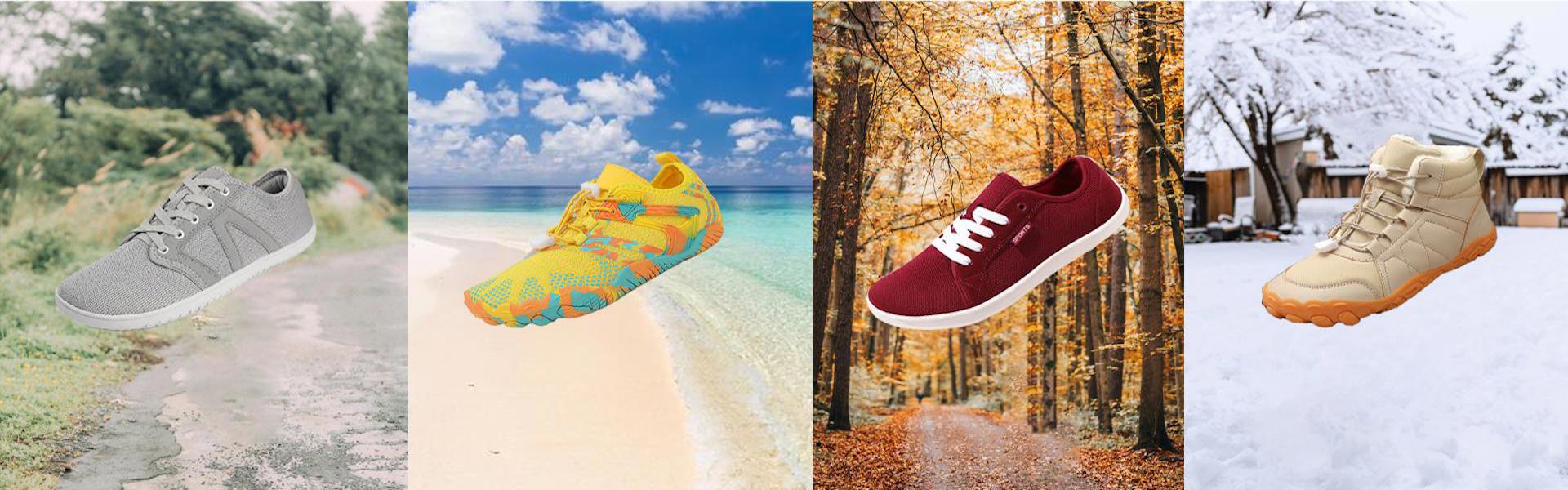

В современном мире, где женщины активно участвуют во всех сферах жизни — от работы до спорта и отдыха, — выбор обуви, обеспечивающей стабильность при ходьбе, становится критически важным. Неправильно подобранная обувь может привести к дискомфорту, болям в ногах, спине и даже долгосрочным проблемам со здоровьем, таким как плоскостопие, артрит или травмы суставов. Поэтому понимание того, какие модели женской обуви предлагают максимальную стабильность, не только улучшает качество повседневной жизни, но и способствует общему благополучию. В этой статье мы глубоко исследуем различные аспекты стабильной обуви, начиная с основ анатомии стопы и заканчивая практическими советами по выбору. Мы рассмотрим ключевые конструктивные элементы, такие как поддержка свода стопы, амортизация, материалы и дизайн, а также проанализируем популярные категории обуви, включая кроссовки, туфли на низком каблуке, ботинки и сандалии. Кроме того, мы обсудим, как индивидуальные особенности, такие как тип стопы или образ жизни, влияют на выбор, и предоставим рекомендации по уходу за обувью для поддержания ее стабильности с течением времени. Эта статья aims to be comprehensive guide for women seeking to make informed decisions about their footwear, emphasizing comfort, safety, and style without compromise.
Введение в важность стабильности обуви
Стабильность обуви refers to its ability to provide a secure and balanced base for the foot during movement, preventing excessive rolling or shifting that can lead to instability and injury. For women, this is particularly crucial due to the higher prevalence of issues like bunions or hammertoes, often exacerbated by fashionable but impractical shoes. The human foot is a complex structure with 26 bones, 33 joints, and over 100 muscles, tendons, and ligaments, all working together to support body weight and facilitate motion. When footwear lacks stability, it can disrupt this natural biomechanics, causing strain on the ankles, knees, hips, and back. Research shows that up to 80% of foot problems in women are related to ill-fitting or unstable shoes, highlighting the need for careful selection. In this section, we delve into why stability matters, exploring the physiological impacts and common misconceptions. For instance, many women prioritize aesthetics over function, but modern design trends have evolved to offer options that blend both. We also touch on the economic aspect: investing in stable shoes can prevent costly medical treatments down the line. By understanding the fundamentals, readers can appreciate the value of choosing footwear that promotes health and confidence in every step.
Анатомия стопы и ее роль в стабильности
Чтобы понять, какая обувь обеспечивает стабильность, необходимо сначала разобраться в анатомии стопы. Стопа состоит из трех основных частей: переднего отдела (плюсны и пальцев), среднего отдела (свода) и заднего отдела (пятки). Свод стопы — ключевой элемент для амортизации и распределения веса; он бывает разных типов: нормальный, высокий (полая стопа) или низкий (плоскостопие). Обувь с хорошей поддержкой свода помогает维持 естественную форму стопы, reduce fatigue, and improve balance. Additionally, the heel counter—a firm part at the back of the shoe—stabilizes the rearfoot, preventing excessive motion that can lead to ankle sprains. The midsole, often made from materials like EVA or polyurethane, provides cushioning and shock absorption, while the outsole's tread pattern enhances grip on various surfaces. In this section, we explain these components in detail, using diagrams or analogies to make it accessible. For example, think of the foot as a bridge: without proper support, it can collapse under pressure. We also discuss how gender differences, such as women generally having narrower heels or higher arches, influence shoe design. By grasping the anatomy, women can better assess which features to look for in stable footwear, tailoring choices to their unique foot structure.
Ключевые особенности стабильной обуви
Стабильная обувь характеризуется несколькими конструктивными элементами, которые работают вместе для обеспечения поддержки. Во-первых, это жесткая пятка (heel counter), которая удерживает заднюю часть стопы на месте и reduces inward or outward rolling (overpronation or supination). Во-вторых, поддержка свода стопы (arch support) crucial for distributing weight evenly; this can be built-in or added via insoles. В-третьих, амортизация (cushioning) в средней части подошвы поглощает удары при ходьбе, protecting joints from impact. В-четвертых, широкая основа (wide base) especially in the forefoot, provides a larger surface area for balance, reducing the risk of tipping. Additionally, secure fastenings like laces, straps, or buckles allow for adjustable fit, preventing slippage. Materials also play a role: leather or synthetic uppers offer durability and structure, while breathable fabrics enhance comfort. In this section, we break down each feature with examples from popular brands. For instance, running shoes often incorporate technologies like Nike's Air Max or Adidas's Boost for superior cushioning, while orthopedic shoes focus on customizable arch supports. We also mention less obvious aspects, such as the shoe's weight—lighter shoes can improve agility but may sacrifice stability if not well-designed. By highlighting these features, we empower readers to critically evaluate shoes before purchase, ensuring they opt for models that prioritize safety over trends.
Типы женской обуви для максимальной стабильности
Различные категории обуви предлагают varying levels of stability, suited to different activities and preferences. Начнем с кроссовок (sneakers): они often top the list for stability due to their athletic design, featuring reinforced heels, ample cushioning, and grippy outsoles. Models like ASICS Gel-Kayano or Brooks Adrenaline GTS are renowned for their stability features, ideal for walking, running, or daily wear. Туфли на низком каблуке (low-heeled shoes) with heels under 2 inches can also be stable if they have a broad heel base and good arch support; brands like Clarks or Ecco excel in this area. Ботинки (boots), especially ankle or combat styles, provide excellent ankle support and traction, making them great for uneven terrain or winter conditions. Сандалии (sandals) with adjustable straps and contoured footbeds, such as those from Birkenstock, offer surprising stability for warm weather. Кроме того, специализированная обувь like orthopedic or diabetic shoes are designed with maximum stability in mind, incorporating custom inserts and rigid structures. In this section, we compare these types, discussing pros and cons. For example, sneakers might be less formal but highly functional, while low-heeled shoes balance professionalism with comfort. We also address niche options, like hiking shoes or dance sneakers, which cater to specific needs. By exploring diverse categories, we help readers find the right fit for their lifestyle, whether it's for office work, exercise, or casual outings.
Как выбрать стабильную обувь: практические советы
Выбор стабильной обуви involves more than just picking a style; it requires attention to fit, function, and personal needs. Во-первых, всегда меряйте обувь во второй половине дня, когда ноги slightly swollen from daily activities, ensuring a proper fit. Во-вторых, обращайте внимание на запас space—about a thumb's width between the longest toe and the end of the shoe—to prevent cramping. В-третьих, test the shoe's flexibility: it should bend at the ball of the foot, not the midfoot, to maintain support. В-четвертых, оцените поддержку свода: если у вас плоскостопие, ищите обувь с structured arch; if you have high arches, opt for cushioning. Additionally, consider your gait: if you overpronate (roll inward), stability shoes with motion control are essential; neutral walkers can choose shoes with balanced cushioning. Don't forget to walk around in the shoes before buying, checking for any pressure points or slippage. In this section, we provide a step-by-step guide, maybe including a checklist or quiz to self-assess foot type. We also recommend consulting a podiatrist for persistent issues, as custom orthotics might be needed. Brand recommendations are sprinkled throughout, e.g., New Balance for wide feet or Skechers for memory foam comfort. By offering practical advice, we make the selection process manageable and effective, reducing the trial-and-error that often leads to poor choices.
Влияние материалов на стабильность обуви
Материалы, используемые в обуви, significantly impact its stability, durability, and comfort. Кожа (leather) is a top choice for its ability to mold to the foot over time, providing a custom fit and excellent support; it's also breathable and long-lasting. Синтетические материалы (synthetics) like mesh or polyester are lighter and often more flexible, but may lack the structural integrity of leather unless reinforced. Подошвы (outsoles) made from rubber offer superior grip and wear resistance, while EVA or PU midsoles provide cushioning that maintains stability by absorbing shock. Внутренняя отделка (linings) should be moisture-wicking to prevent slippage inside the shoe. In this section, we delve into the science behind materials, explaining how innovations like Gore-Tex for waterproofing or Boost foam for energy return enhance stability. We also discuss eco-friendly options, as sustainability becomes increasingly important; brands like Allbirds use merino wool or tree fiber for stable yet green footwear. Additionally, we cover maintenance: proper care, such as cleaning and storing shoes correctly, can prolong their supportive properties. For example, rotating shoes allows materials to recover and maintain shape. By understanding materials, readers can make informed choices that align with their values and needs, ensuring that stability doesn't come at the cost of comfort or ethics.
Образ жизни и индивидуальные потребности
Стабильность обуви should be tailored to individual lifestyles and specific needs. Для активных женщин, занимающихся спортом, обувь с enhanced stability features like anti-pronation technology is crucial to prevent injuries during high-impact activities. Для офисных работников, shoes with low heels and good arch support can reduce fatigue from long hours standing or walking on hard floors. Беременным женщинам may benefit from shoes with extra cushioning and a wider fit to accommodate swelling and changes in gait. Пожилым женщины often require shoes with non-slip soles and easy fastenings to prevent falls. Additionally, those with medical conditions like arthritis or diabetes need shoes that minimize pressure points and provide utmost stability. In this section, we explore these scenarios, offering targeted recommendations. For instance, for travelers, we suggest lightweight walking shoes with stability, while for fashion-conscious individuals, we highlight brands that combine style with function, like Tory Burch flats or Cole Haan loafers. We also address budget considerations: stable shoes don't have to be expensive; options from Decathlon or Payless can be effective if chosen wisely. By considering personal factors, we help readers navigate the vast market, finding shoes that not only stabilize but also enhance their daily experiences.
Уход за обувью для поддержания стабильности
Чтобы обувь сохраняла свою стабильность over time, proper care is essential. Регулярно очищайте обувь according to material instructions—for leather, use conditioner to prevent cracking; for synthetics, mild soap and water. Сушите обувь naturally away from direct heat, which can warp materials and reduce support. Меняйте стельки (insoles) every 6-12 months, as they compress and lose cushioning; consider orthotic inserts for added stability. Храните обувь in a cool, dry place, using shoe trees to maintain shape. Additionally, avoid wearing the same pair every day to allow materials to rebound. In this section, we provide a maintenance schedule, perhaps with a table outlining steps for different shoe types. We also discuss signs of wear, such as worn-down outsoles or collapsed arches, indicating when to replace shoes—typically every 300-500 miles for active use. By emphasizing care, we extend the life of stable footwear, making it a cost-effective investment in health. This proactive approach ensures that shoes continue to provide the support needed for safe and comfortable walking.
Заключение: towards a stable future
В заключение, выбор женской обуви, обеспечивающей максимальную стабильность при ходьбе, является multifaceted decision that balances anatomy, design, materials, and personal lifestyle. By prioritizing features like arch support, cushioning, and secure fit, women can prevent discomfort and injuries, enhancing overall quality of life. The market offers a wide range of options, from athletic sneakers to elegant flats, all capable of providing stability when chosen wisely. Remember, investing in good footwear is an investment in health; it's worth taking the time to find the right pair. As trends evolve, we hope to see more innovations that merge style with substance, making stable shoes accessible to all. We encourage readers to use this guide as a resource, experiment with different models, and listen to their bodies—after all, happy feet lead to a happier life. For further reading, consider consulting podiatrists or trying shoe fitting technologies available in stores. Step confidently into the future with footwear that supports you every step of the way.
Эта статья предоставляет comprehensive overview, but always consult a professional for personalized advice. Stable walking starts with the right shoes—choose wisely!