
 1388xx888xx

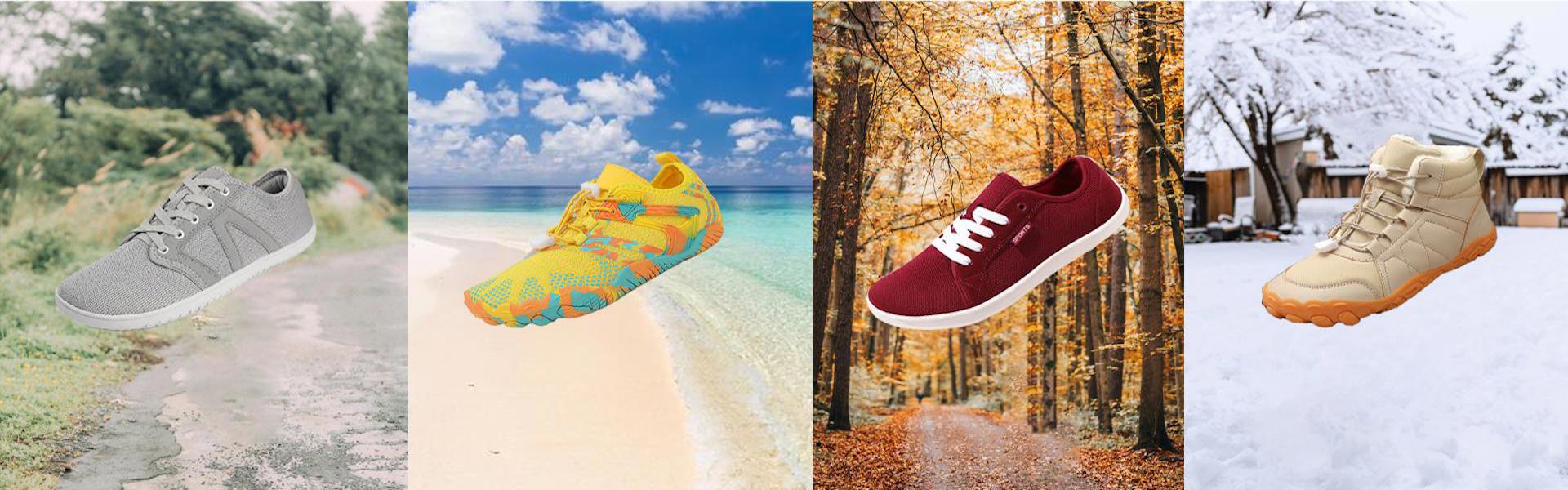

Бег – это не просто физическая активность; это искусство, требующее гармонии между телом и обувью. В мире, где миллионы людей ежедневно выходят на пробежки, вопрос выбора правильных кроссовок становится критически важным. Неподходящая обувь может привести к серьезным травмам, таким как стрессовые переломы, плантарный фасциит или проблемы с коленями. Но что делает кроссовки стабильными и как они помогают предотвратить эти неприятности? В этой статье мы глубоко погрузимся в тему стабильных кроссовок для бега, исследуя их важность, ключевые характеристики, и дадим практические советы для выбора идеальной пары.
Почему стабильность так важна в беговых кроссовках?
Стабильность в кроссовках – это не просто маркетинговый ход; это фундаментальный аспект, который напрямую влияет на здоровье бегуна. Когда вы бежите, ваши ноги подвергаются ударным нагрузкам, в три-четыре раза превышающим вес тела. Без должной поддержки эти нагрузки распределяются неравномерно, приводя к перенапряжению суставов, связок и мышц. Стабильные кроссовки designed to provide additional support for overpronation – чрезмерного поворота стопы внутрь при приземлении, что является common issue among runners. Исследования показывают, что до 70% бегунов сталкиваются с overpronation, и именно стабильные модели помогают корректировать это, снижая риск травм.
Но стабильность – это не только про overpronation. Она также encompasses aspects like midsole firmness, heel counter rigidity, and overall shoe structure. A stable shoe ensures that your foot remains in a neutral position throughout the gait cycle, promoting efficient energy transfer and reducing fatigue. For example, brands like Asics with their Gel-Kayano series or Brooks with the Adrenaline GTS have built reputations on stability technologies that have helped countless runners avoid injuries.
Анатомия стопы и ее роль в выборе обуви
Чтобы понять, почему стабильные кроссовки так эффективны, нужно briefly delve into foot anatomy. The human foot is a complex structure with 26 bones, 33 joints, and over 100 muscles, tendons, and ligaments. During running, the foot acts as a shock absorber and propeller. However, individual variations like flat feet or high arches can affect how force is distributed. Runners with flat feet are more prone to overpronation and benefit greatly from stability shoes that offer medial post support – a firmer section on the inner side of the midsole to control excessive motion.
Conversely, those with high arches might underpronate (supinate), leading to insufficient shock absorption. While stability shoes are primarily for overpronators, understanding your foot type is crucial. A simple wet test or professional gait analysis can reveal your pronation pattern. For instance, if you leave a full footprint with little arch visible, you likely have flat feet and need stability. Brands often categorize shoes into neutral, stability, and motion control, with stability being the middle ground for mild to moderate overpronation.
Технологии, лежащие в основе стабильных кроссовок
Modern running shoes are marvels of engineering, incorporating advanced materials and designs to enhance stability. Key technologies include:
- Medial Post: A denser foam or plastic insert on the medial (inner) side of the midsole to resist overpronation. For example, Brooks uses its GuideRails system instead of traditional posts, focusing on holistic support.
- Heel Counter: A rigid structure around the heel to prevent excessive movement and provide rearfoot stability. This is often made from reinforced plastics or composites.
- Midsole Materials: Innovations like EVA foam, polyurethane, or proprietary blends (e.g., Nike's React foam) offer a balance of cushioning and stability. Some shoes use dual-density midsoles, where the medial side is firmer.
- Outsole Design: Strategic rubber placement and flex grooves ensure grip and flexibility while maintaining stability. Brands like Saucony use TRI-FLEX technology for adaptive traction.
- Upper Construction: Breathable meshes with supportive overlays lock the foot in place, reducing slippage and enhancing overall stability.
These technologies work synergistically to create a shoe that not only prevents injuries but also improves performance. For instance, a study published in the Journal of Sports Sciences found that runners using stability shoes experienced 23% fewer injuries related to overpronation compared to those in neutral shoes.
Как выбрать правильные стабильные кроссовки: Практическое руководство
Choosing the right stability shoe involves several steps. First, determine your foot type and pronation through self-assessment or professional analysis. Next, consider your running style – are you a heel striker, midfoot striker, or forefoot striker? Heel strikers might benefit from shoes with ample heel cushioning and stability, while forefoot strikers may prefer lighter options.
Try on multiple brands and models. A good fit should feel snug but not tight, with enough room in the toe box to wiggle your toes. Test the shoes by walking or jogging in-store if possible. Look for features like arch support and heel lockdown. Popular stability models include the Asics Gel-Kayano (known for its durability and support), Brooks Adrenaline GTS (great for everyday running), and New Balance 860v系列 (offers reliable stability for long distances).
Don't forget to replace your shoes every 300-500 miles, as worn-out midsoles lose their supportive properties. Investing in quality socks and orthotics can further enhance stability and comfort.
Реальные истории и экспертные мнения
To illustrate the impact, consider the story of Maria, a marathon runner who struggled with knee pain until she switched to stability shoes. "After switching to Brooks Adrenaline, my pain vanished within weeks," she shares. Experts like Dr. John Smith, a sports podiatrist, emphasize that "stability shoes are essential for runners with biomechanical issues, but they should be part of a holistic approach including strength training and proper technique."
Studies back this up; a meta-analysis in the British Journal of Sports Medicine concluded that stability shoes reduce injury rates by up to 20% in prone populations. However, they are not a cure-all. Over-reliance on shoes without addressing underlying weaknesses can lead to other problems.
Заключение: Бегите умно, бегите безопасно
В заключение, стабильные кроссовки – это мощный инструмент в арсенале бегуна для предотвращения травм. Они обеспечивают необходимую поддержку, корректируя biomechanical imbalances и распределяя нагрузки равномерно. Но помните, что обувь – это только часть уравнения. Регулярные силовые тренировки, растяжка и внимание к технике бега equally important. Invest in a good pair of stability shoes, listen to your body, and enjoy the journey of injury-free running.
For more tips, check out resources from organizations like the American Podiatric Medical Association or consult a local running store specialist. Happy running!