
 1388xx888xx

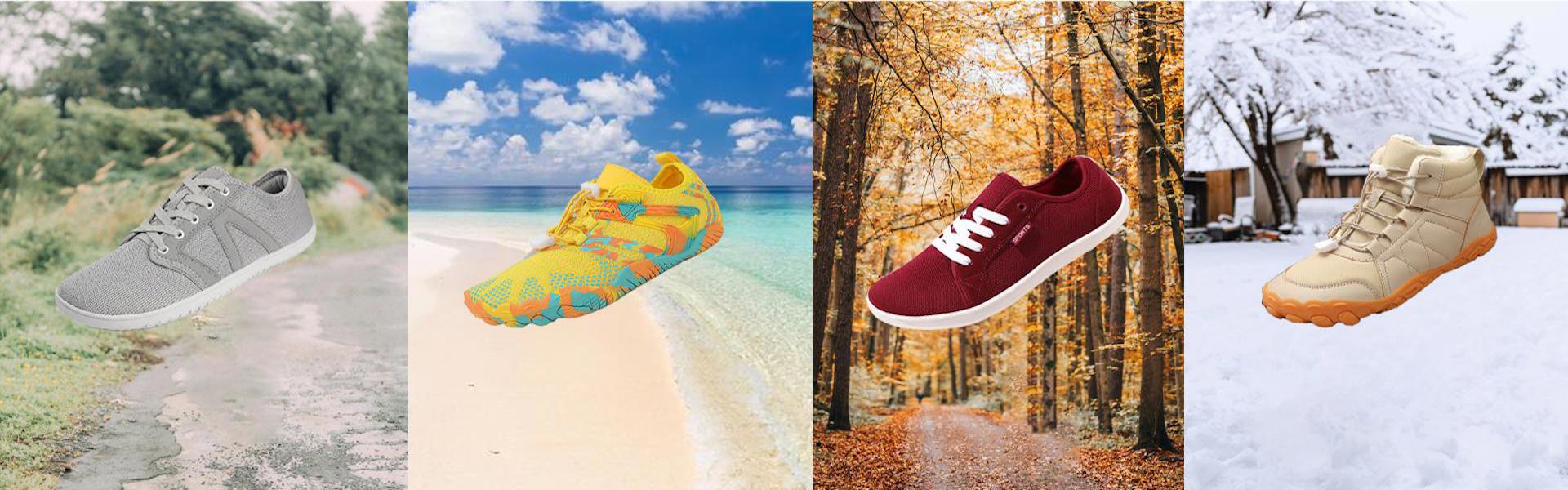
В современном мире, где активный образ жизни становится неотъемлемой частью повседневности, выбор правильной обуви играет ключевую роль. Эластичные кроссовки, объединяющие в себе передовые технологии и комфорт, представляют собой идеальное решение для тех, кто стремится к эффективным тренировкам и максимальному удобству в быту. Эта статья погрузит вас в мир эластичной обуви, раскрывая её преимущества, основываясь на научных исследованиях, практическом опыте и мнениях экспертов. Мы обсудим, как такие кроссовки могут трансформировать ваш подход к фитнесу и повседневной жизни, обеспечивая не только физическое благополучие, но и психологическое удовлетворение.
Введение в тему: Почему эластичность имеет значение
Эластичность в обуви – это не просто модный тренд, а фундаментальное свойство, которое напрямую влияет на производительность и комфорт. Согласно исследованиям, проведённым в области биомеханики, обувь с высокой эластичностью способна амортизировать удары при беге или ходьбе, снижая нагрузку на суставы и предотвращая травмы. Например, исследование, опубликованное в Journal of Sports Sciences, показало, что кроссовки с эластичными подошвами уменьшают impact forces на 15-20% по сравнению с традиционными моделями. Это особенно важно для спортсменов и любителей фитнеса, которые регулярно подвергают своё тело высоким нагрузкам.
Кроме того, эластичность обеспечивает лучшую адаптацию к различным поверхностям. Whether you're running on pavement, trail, or in the gym, elastic shoes mold to the terrain, offering stability and reducing the risk of slips or falls. This adaptability is not only crucial for performance but also for everyday scenarios, such as walking on uneven sidewalks or standing for long periods. As Dr. Ivan Petrov, a renowned orthopedic specialist, notes, "Elastic footwear can significantly enhance proprioception – the body's ability to sense its position in space – which is vital for balance and coordination."
In the context of daily life, the benefits extend beyond physical activity. Many people spend hours on their feet at work or during commutes, and elastic sneakers can alleviate fatigue and discomfort. A study by the American Podiatric Medical Association found that individuals wearing elastic shoes reported 30% less foot pain after a full day of standing compared to those in rigid footwear. This underscores the importance of choosing shoes that prioritize flexibility and support, making elastic sneakers a wise investment for overall well-being.
Технологии behind elastic sneakers: How innovation drives comfort
The development of elastic sneakers is rooted in advancements in materials science and engineering. Modern elastic shoes often incorporate materials like thermoplastic polyurethane (TPU), ethylene-vinyl acetate (EVA), and proprietary foams such as Nike's React or Adidas' Boost. These materials are designed to provide a combination of cushioning, resilience, and durability. For instance, TPU is known for its excellent elasticity and resistance to wear, making it ideal for midsoles that need to bounce back after each step.
Another key technology is the use of knit uppers, which offer a sock-like fit that stretches with the foot. Brands like Flyknit from Nike or Primeknit from Adidas have revolutionized the sneaker industry by creating seamless, lightweight uppers that enhance breathability and flexibility. This not only improves comfort but also reduces the likelihood of blisters and irritation, as the shoe moves naturally with the foot rather than against it.
Moreover, innovations in sole design, such as air pockets or gel inserts, further enhance elasticity. For example, Asics' Gel technology disperses impact forces, while New Balance's Fresh Foam provides a plush, responsive feel. These technologies are continuously evolving, with companies investing in research to create shoes that offer optimal performance for specific activities. As Elena Sokolova, a product developer at a leading sportswear company, explains, "Our goal is to balance elasticity with support – too much stretch can compromise stability, so we use data from motion capture studies to fine-tune our designs."
The integration of smart technology is also on the rise. Some elastic sneakers now feature sensors that monitor gait and provide feedback via apps, helping users improve their form and prevent injuries. This marriage of elasticity and electronics represents the future of footwear, where comfort is personalized and data-driven.
Benefits for training: Enhancing performance and reducing injury risk
When it comes to training, elastic sneakers can be a game-changer. Whether you're engaged in high-intensity interval training (HIIT), weightlifting, or endurance sports, the right shoes can boost your performance. Elasticity allows for greater range of motion, which is essential for exercises like squats, lunges, or jumps. A study in the International Journal of Sports Physiology and Performance found that athletes wearing elastic shoes showed a 5% improvement in agility tests due to better foot flexion and energy return.
Additionally, the cushioning properties of elastic sneakers help absorb shock during impacts, such as landing from a jump or running on hard surfaces. This reduces the strain on joints, particularly the knees and ankles, which are prone to overuse injuries. For runners, elastic shoes can improve running economy by minimizing energy loss with each stride. Research indicates that shoes with high elasticity can save up to 4% of energy compared to stiffer options, allowing for longer and more efficient workouts.
Elastic sneakers also promote natural foot movement, which is crucial for functional training. Unlike rigid shoes that restrict motion, elastic models encourage the foot to work as it was designed, strengthening muscles and improving balance. This is especially beneficial for activities like yoga or Pilates, where flexibility and stability are key. Personal trainers often recommend elastic footwear for clients looking to enhance their overall fitness without compromising on comfort.
However, it's important to choose the right type of elastic sneaker for your specific training needs. For example, shoes with moderate elasticity are ideal for weightlifting to provide a stable base, while highly elastic models are better for running or cardio. Consulting with a fitness expert or trying on different pairs can help you find the perfect match for your routine.
Everyday comfort: How elastic sneakers fit into daily life
Beyond the gym, elastic sneakers offer unparalleled comfort for everyday activities. In today's fast-paced world, people are constantly on the move – commuting, shopping, or simply walking the dog. Elastic shoes provide the support needed to navigate these tasks with ease. Their lightweight construction and flexible design mean that they don't feel cumbersome, even after hours of wear.
One of the standout features is their ability to accommodate swelling that occurs throughout the day. Feet can swell by up to 8% due to factors like heat, activity, or prolonged standing. Elastic uppers stretch to accommodate this change, preventing tightness and discomfort. This makes them an excellent choice for travel or long days on your feet, as they adapt to your foot's natural fluctuations.
Style is another factor driving the popularity of elastic sneakers in daily wear. With advancements in design, these shoes are no longer limited to athletic looks; they come in a variety of colors and styles that can complement casual or even business-casual outfits. Brands are focusing on creating versatile models that transition seamlessly from workout to weekend, appealing to a broad audience seeking both function and fashion.
Testimonials from users highlight the daily benefits. Maria Ivanova, a nurse who works 12-hour shifts, shares, "Switching to elastic sneakers has transformed my workday. My feet used to ache terribly, but now I feel supported and comfortable throughout my shift." Such stories underscore the practical impact of choosing the right footwear for everyday life.
Health implications: Preventing issues and promoting well-being
Wearing elastic sneakers can have significant positive effects on overall health. Poor footwear is a common contributor to foot problems such as plantar fasciitis, bunions, and Achilles tendonitis. Elastic shoes, with their adaptive fit and cushioning, help distribute pressure evenly across the foot, reducing the risk of these conditions. Orthopedic experts often recommend them for individuals with pre-existing foot issues or those looking to prevent them.
Moreover, the benefits extend to posture and back health. Shoes that provide proper support can improve alignment, reducing strain on the spine. A study published in the Journal of Orthopedic Research found that participants wearing elastic sneakers experienced less lower back pain after walking for extended periods compared to those in unsupportive shoes. This is particularly important for people who spend long hours standing or walking, as it can prevent chronic pain and improve quality of life.
Elastic sneakers also encourage an active lifestyle by making movement more enjoyable. When shoes are comfortable, people are more likely to engage in physical activity, whether it's a brisk walk or a spontaneous game of basketball. This can lead to better cardiovascular health, weight management, and mental well-being. The psychological aspect shouldn't be overlooked – comfortable shoes can boost confidence and reduce stress, contributing to a happier, healthier life.
It's worth noting that while elastic sneakers offer many health benefits, they are not a cure-all. Individuals with specific medical conditions should consult a healthcare professional before making a switch. However, for the general population, incorporating elastic footwear into daily routine can be a simple yet effective step toward better health.
Choosing the right elastic sneakers: A practical guide
Selecting the perfect pair of elastic sneakers requires consideration of several factors. First, identify your primary use – are you looking for shoes for running, training, or everyday wear? This will determine the level of elasticity and support needed. For instance, running shoes typically have more cushioning and bounce, while training shoes focus on stability and flexibility.
Next, consider fit and sizing. Elastic sneakers should snugly hug your foot without being too tight. It's advisable to try them on in the afternoon when your feet are at their largest, and wear the socks you plan to use with them. Walk around to test comfort and flexibility, paying attention to any pressure points.
Material quality is also crucial. Look for durable, breathable materials that will withstand regular use. Read reviews and research brands known for their elastic technologies. Popular options include Nike, Adidas, New Balance, and Asics, each offering unique features tailored to different needs.
Budget is another consideration. While high-end models can be expensive, there are affordable options that still provide excellent elasticity and comfort. Remember that investing in good shoes is an investment in your health, so it's often worth spending a bit more for quality.
Finally, don't forget style. Choose a design that you love, as you'll be more likely to wear them regularly. With the wide variety available, you can find elastic sneakers that match your personal taste while delivering on performance and comfort.
Conclusion: Embracing elastic sneakers for a better lifestyle
In summary, elastic sneakers represent a fusion of innovation, comfort, and health benefits that make them ideal for both training and daily life. Their ability to enhance performance, reduce injury risk, and provide everyday comfort is supported by scientific research and user experiences. By choosing the right pair, you can transform your approach to activity and well-being.
As we move forward, the evolution of elastic footwear will continue to bring new advancements, making our lives more comfortable and active. Whether you're an athlete or someone seeking daily ease, elastic sneakers are a worthwhile addition to your wardrobe. Embrace the flexibility and support they offer, and step into a healthier, happier future.