
 1388xx888xx

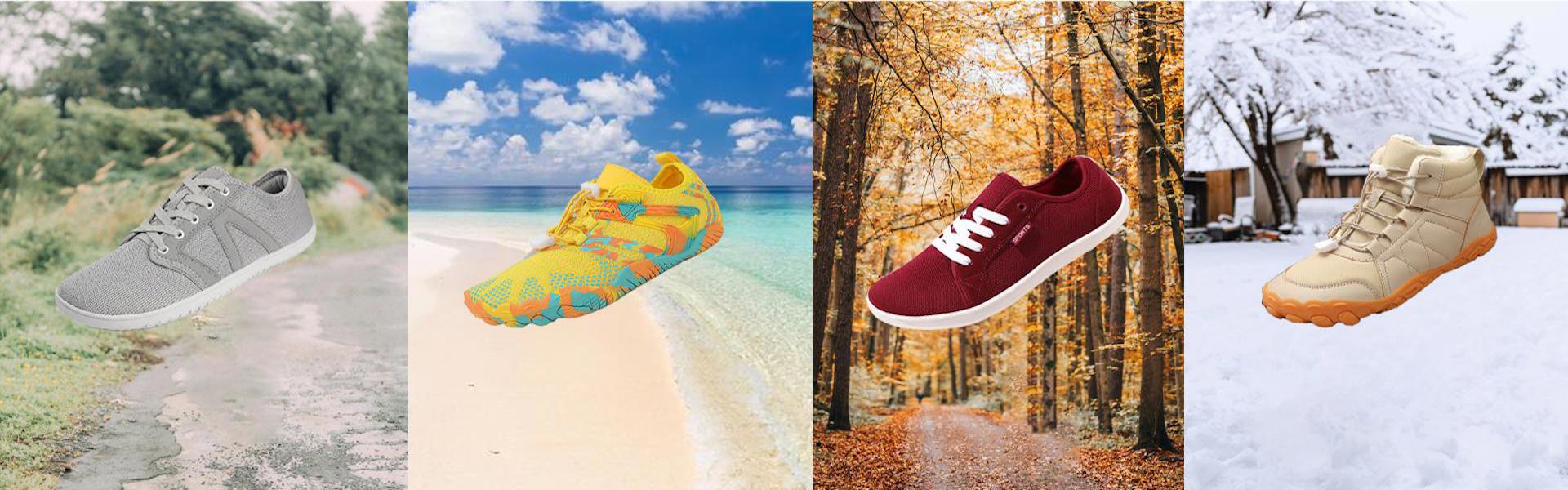

Бег — это один из самых популярных и доступных видов физической активности, который приносит огромную пользу для здоровья: укрепляет сердечно-сосудистую систему, помогает поддерживать идеальный вес, улучшает настроение и повышает общую выносливость. Однако многие бегуны, особенно новички, часто упускают из виду один критически важный аспект — выбор правильной обуви. В частности, вентиляция кроссовок играет ключевую роль не только в комфорте во время пробежки, но и в долгосрочном здоровье ног. В этой статье мы подробно explore, почему дышащие материалы в беговой обуви так важны, как они влияют на профилактику различных проблем, и дадим практические советы по выбору идеальных кроссовок для ваших тренировок.
Что такое вентиляция в кроссовках и как она работает
Вентиляция в кроссовках refers to the ability of the shoe to allow air to circulate freely around the foot. This is achieved through the use of breathable materials, such as mesh, knit fabrics, or perforated synthetics, which have tiny pores that enable moisture (sweat) and heat to escape from inside the shoe while allowing fresh air to enter. The mechanics are simple: when you run, your feet naturally sweat due to increased physical activity. If the shoe lacks proper ventilation, this moisture accumulates, creating a damp, warm environment ideal for bacterial and fungal growth. Good ventilation helps to wick away sweat, keeping your feet dry and cool, which is essential for comfort and health.
Modern running shoes often incorporate advanced technologies to enhance ventilation. For example, many brands use engineered mesh uppers that are lightweight and highly breathable. Some models feature strategic perforations or ventilation channels in the midsole or outsole to promote airflow. Additionally, moisture-wicking linings and insoles can further aid in keeping feet dry. Understanding these features can help you make an informed choice when selecting running shoes, ensuring that you prioritize health alongside performance.
Почему вентиляция критически важна для здоровья ног
Здоровье ног is paramount for any runner, as foot problems can not only cause discomfort but also lead to more serious issues that may require medical attention. Poor ventilation in shoes is a common culprit behind various foot ailments. Let's delve into the specific reasons why good ventilation is non-negotiable for foot health.
1. Профилактика грибковых инфекций и бактериальных проблем
One of the most significant risks associated with poorly ventilated shoes is the development of fungal infections, such as athlete's foot (tinea pedis). Fungi thrive in warm, moist environments, and sweaty feet trapped in non-breathable shoes provide the perfect breeding ground. Symptoms include itching, redness, peeling skin, and in severe cases, blisters or cracks that can lead to secondary infections. Bacterial issues, like bromhidrosis (foot odor caused by bacteria breaking down sweat), are also common. Good ventilation helps to reduce moisture buildup, thereby lowering the risk of these infections. By choosing shoes with breathable materials, you can maintain a healthier foot environment and avoid the discomfort and embarrassment of fungal or bacterial problems.
2. Снижение риска мозолей, волдырей и натоптышей
Moisture from sweat can soften the skin on your feet, making it more susceptible to friction-related injuries. When feet are wet, the friction between your skin and the shoe interior increases, leading to blisters, calluses, and corns. These are not only painful but can also interfere with your running routine. For instance, a blister might force you to take a break from training, disrupting your progress. Ventilation helps to keep feet dry, reducing the likelihood of such issues. Additionally, dry feet are less prone to maceration (skin breakdown due to prolonged wetness), which can exacerbate existing problems. By investing in well-ventilated shoes, you can enjoy smoother, blister-free runs and maintain the integrity of your skin.
3. Улучшение комфорта и производительности во время бега
Comfort is directly linked to performance in running. If your feet are sweaty and uncomfortable, you're more likely to experience distractions, reduced endurance, and even altered running form, which can lead to injuries elsewhere in the body (e.g., knees or hips). Good ventilation enhances comfort by regulating temperature and moisture, allowing you to focus on your run rather than on discomfort. This can lead to better performance, as you're able to maintain a consistent pace and enjoy your workouts more. Moreover, dry feet are less likely to slip inside the shoe, providing better stability and reducing the risk of accidents. In the long run, comfortable feet contribute to a more sustainable and enjoyable running habit.
4. Предотвращение неприятного запаха и продление срока службы обуви
Foot odor is a common issue that stems from bacterial activity in moist conditions. While it might seem like a minor inconvenience, it can affect your confidence and social interactions. Ventilated shoes help to minimize odor by allowing sweat to evaporate quickly, leaving less moisture for bacteria to feed on. Furthermore, shoes that retain moisture are more prone to deterioration. For example, constant dampness can break down the materials, leading to odors that are hard to eliminate and reducing the lifespan of the shoe. By opting for breathable options, you not only keep your feet fresh but also get more value out of your investment, as the shoes will last longer and remain in better condition.
5. Поддержание оптимальной температуры стопы
During running, your feet can overheat due to increased blood flow and muscle activity. Overheating can cause discomfort, swelling, and even contribute to conditions like hot spots or burns. Ventilation helps to dissipate heat, keeping your feet at a comfortable temperature. This is especially important in hot weather or during intense workouts. By maintaining a cooler foot environment, you reduce the risk of heat-related issues and ensure that your runs are safer and more pleasant. This thermal regulation is a key aspect of foot health that is often overlooked but is crucial for preventing long-term damage.
Как выбрать кроссовки с хорошей вентиляцией: практические советы
Now that we understand the importance of ventilation, let's discuss how to choose the right running shoes. Here are some practical tips to ensure you pick a pair that prioritizes foot health.
1. Обращайте внимание на материалы верха
The upper part of the shoe is most critical for ventilation. Look for materials like mesh, knit, or fabrics with visible pores. These are lightweight and allow air to pass through easily. Avoid shoes made mostly of leather or synthetic materials without perforations, as they tend to trap heat and moisture. Many brands specify the breathability of their uppers in product descriptions, so read reviews and specifications carefully.
2. Проверяйте наличие перфораций и вентиляционных каналов
Some shoes incorporate additional ventilation features, such as perforations in the toe box or sides, or channels in the sole that promote airflow. These design elements can significantly enhance breathability. When trying on shoes, feel for air movement or look for models that advertise enhanced ventilation technologies.
3. Учитывайте тип бега и условия
Your running environment matters. If you run in hot or humid climates, prioritize shoes with maximum ventilation. For trail running or wet conditions, you might need a balance between breathability and water resistance, but still opt for options that offer some airflow to prevent moisture buildup from sweat.
4. Примеряйте обувь и тестируйте комфорт
Always try on shoes before buying, if possible. Walk or jog a bit to see how they feel. Pay attention to any areas where your feet feel hot or sweaty. A good test is to wear the shoes for a short run and check for moisture accumulation afterwards.
5. Читайте отзывы и консультируйтесь с экспертами
Online reviews from other runners can provide insights into how breathable a shoe really is. Additionally, visiting a specialty running store where staff can advise based on your foot type and running habits is invaluable. They might recommend brands known for excellent ventilation, such as those using Gore-Tex or other breathable membranes for all-weather protection.
Дополнительные меры для поддержания здоровья ног
While good shoe ventilation is crucial, it's not the only factor in foot health. Here are some complementary practices to keep your feet in top condition.
1. Носите moisture-wicking носки
Pair your ventilated shoes with socks made from materials like merino wool, polyester, or blends designed to wick moisture away from the skin. Avoid cotton socks, as they retain sweat and can negate the benefits of breathable shoes.
2. Регулярно мойте и сушите ноги
After running, wash your feet thoroughly with soap and water to remove sweat and bacteria. Dry them completely, especially between the toes, to prevent fungal growth. Allow your shoes to air out after each use; avoid wearing the same pair two days in a row to give them time to dry.
3. Используйте антиперспиранты или powders при необходимости
If you have particularly sweaty feet, consider using foot powders or antiperspirants to reduce moisture. These can provide an extra layer of protection against dampness.
4. Делайте перерывы и чередуйте обувь
Rotate between multiple pairs of running shoes to allow each pair to dry fully between uses. This not only extends the life of your shoes but also reduces the risk of moisture-related problems.
5. Обращайтесь к врачу при проблемах
If you experience persistent foot issues despite these measures, consult a podiatrist. They can provide personalized advice and treatment for conditions like fungal infections or biomechanical problems.
Заключение: инвестируйте в здоровье своих ног
В заключение, вентиляция кроссовок для бега — это не просто вопрос комфорта, а фундаментальный аспект здоровья ног. Выбирая обувь с хорошей breathability, вы proactively prevent a range of issues, from fungal infections to blisters, while enhancing your overall running experience. Remember, your feet are the foundation of your running journey; taking care of them with the right gear and habits will pay dividends in performance, comfort, and long-term well-being. So, next time you shop for running shoes, prioritize ventilation—it's a small step that leads to giant leaps in foot health.
Надеемся, эта статья была полезной и вдохновит вас на выбор идеальной пары кроссовок для здоровых и счастливых пробежек! Бегайте с умом и наслаждайтесь каждым шагом.