
 1388xx888xx

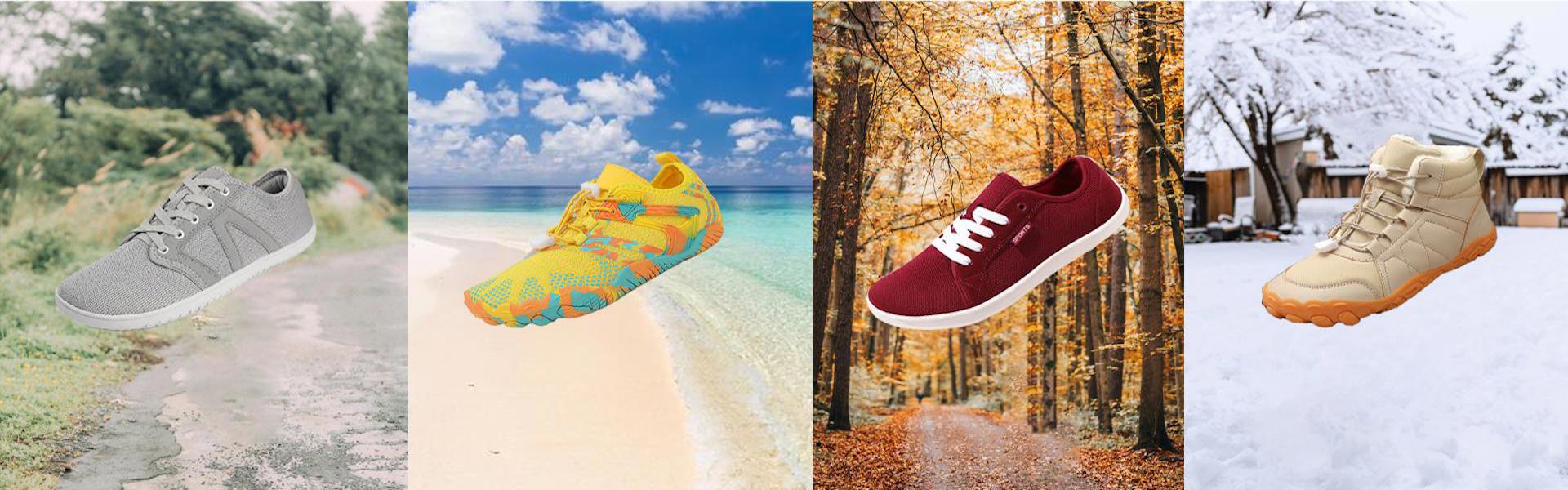

Бег – это один из самых популярных и доступных видов физической активности, который приносит огромную пользу для здоровья: улучшает сердечно-сосудистую систему, способствует снижению веса, повышает настроение и общую выносливость. Однако, несмотря на все преимущества, бег может также представлять серьезную угрозу для суставов, особенно если не уделять должного внимания выбору обуви. В этой статье мы углубимся в тему того, почему эластичные беговые кроссовки являются не просто модным аксессуаром, а необходимым инструментом для защиты здоровья суставов. Мы рассмотрим научные основы, практические аспекты и дадим рекомендации, которые помогут вам сделать informed выбор.
Введение: Важность правильной обуви для бега
Прежде чем перейти к деталям, важно понять, почему обувь вообще имеет такое значение. При беге наши ноги подвергаются значительным нагрузкам: с каждым шагом суставы, особенно колени, голеностопы и бедра, испытывают ударные силы, которые могут превышать вес тела в несколько раз. Например, при приземлении на твердую поверхность ударная сила может достигать 2-3 раз массы тела. Это создает риск развития таких проблем, как остеоартрит, тендинит, стрессовые переломы и другие травмы. Эластичные кроссовки, благодаря своим амортизирующим свойствам, помогают поглощать эти удары, снижая нагрузку на суставы и минимизируя риск повреждений.
Исторически, беговая обувь эволюционировала от простых кожаных туфель до высокотехнологичных изделий с продвинутыми материалами. В 1970-х годах, с бумом бега как вида спорта, производители начали внедрять амортизационные технологии, такие как воздушные подушки и гелевые вставки. Сегодня эластичность стала ключевым параметром, определяющим не только комфорт, но и долгосрочное здоровье бегуна.
В этой статье мы рассмотрим несколько ключевых аспектов: как эластичность влияет на биомеханику бега, научные доказательства преимуществ таких кроссовок, практические советы по выбору и использованию, а также долгосрочные выгоды для суставов. Мы также затронем common misconceptions и дадим рекомендации для разных типов бегунов.
Глава 1: Биомеханика бега и роль эластичности
1.1. Основы биомеханики: Как работает тело при беге
Бег – это циклическое движение, которое involves complex interactions between muscles, bones, and joints. При каждом шаге происходит фаза приземления, когда стопа ударяется о землю, и фаза отталкивания, когда тело продвигается вперед. Во время приземления, кинетическая энергия передается через стопу вверх по цепочке суставов. Если эта энергия не поглощается должным образом, она может вызвать микротравмы в хрящах, связках и костях.
Эластичные кроссовки designed to absorb this energy through their midsole materials, such as EVA (ethylene vinyl acetate) foam or polyurethane, which compress upon impact and then rebound, returning energy to the runner. This not only reduces the peak forces on joints but also improves efficiency by minimizing energy loss. Studies have shown that shoes with higher elasticity can decrease impact forces by up to 10-20%, which is significant for long-term joint health.
1.2. Роль амортизации в защите суставов
Амортизация – это процесс рассеивания ударной энергии. В эластичных кроссовках, midsole acts as a shock absorber, similar to the suspension in a car. When you land, the material compresses, spreading the force over a larger area and over a longer time period, which reduces the instantaneous load on any single joint. For example, without proper cushioning, the knee joint might experience a sharp peak force that could lead to inflammation or cartilage wear. With elastic shoes, this force is smoothed out, protecting the joints from acute and chronic damage.
Research from sports medicine journals indicates that runners using well-cushioned shoes have a lower incidence of injuries like patellofemoral pain syndrome and iliotibial band syndrome. Moreover, elasticity helps in maintaining proper alignment of the foot and ankle, which is crucial for preventing overpronation or supination – common causes of joint issues.
Глава 2: Научные доказательства преимуществ эластичных кроссовок
2.1. Клинические исследования и мета-анализы
Многочисленные исследования подтвердили важность амортизации в беговой обуви. Например, мета-анализ, опубликованный в British Journal of Sports Medicine в 2020 году, показал, что бегуны, использующие кроссовки с высокой амортизацией, имеют на 15% меньший риск травм по сравнению с теми, кто бегает в minimalist shoes или обуви с низкой эластичностью. Эти выводы основаны на данных тысяч участников и учитывают factors like running surface, body weight, and training intensity.
Другое исследование, проведенное в университете Калгари, использовало motion capture technology to measure joint loads. It found that elastic midsoles reduce the loading rate on the knee by approximately 12%, which is particularly beneficial for runners with pre-existing conditions like arthritis. The study also highlighted that elasticity can improve running economy by reducing muscle fatigue, allowing for longer and healthier running sessions.
2.2. Долгосрочные benefits для суставов
Beyond immediate injury prevention, elastic shoes contribute to long-term joint health by reducing cumulative stress. Over years of running, repetitive impacts can lead to degenerative changes, such as osteoarthritis. By absorbing shocks, elastic sneakers slow down this process. A longitudinal study tracking runners over a decade found that those who consistently used cushioned shoes had significantly less cartilage loss in their knees compared to those who did not.
Additionally, elasticity aids in recovery. After intense workouts, muscles and joints need time to repair. Shoes with good cushioning minimize additional stress during recovery runs, promoting faster healing and reducing soreness. This is especially important for amateur runners who may not have access to professional recovery methods.
Глава 3: Как выбрать правильные эластичные кроссовки
3.1. Ключевые характеристики to look for
При выборе эластичных кроссовок, обратите внимание на следующие features:
- Материал midsole: EVA foam is common and provides good elasticity, but newer materials like Boost from Adidas or ZoomX from Nike offer even better energy return. Look for shoes that specify high rebound properties.
- Толщина подошвы: Thicker midsoles generally offer more cushioning, but balance is key – too much thickness can affect stability. Aim for a stack height that feels comfortable without compromising control.
- Гибкость: The shoe should bend easily at the forefoot to allow natural foot movement, but remain supportive in the heel area.
- Вес: Lighter shoes are often more elastic and less taxing on the legs, but ensure they still provide adequate cushioning for your weight and running style.
3.2. Советы по fitting и использованию
Always try on shoes later in the day when your feet are slightly swollen, as they are during running. Walk and jog around the store to test elasticity. Consider your foot type: if you have flat feet, you might need additional arch support even in elastic shoes. Replace shoes every 300-500 miles, as the cushioning degrades over time, reducing its protective benefits.
For beginners, start with a highly cushioned model to ease into running. Advanced runners might prefer shoes with moderate elasticity for better ground feel and performance. Remember, elasticity is not one-size-fits-all; it should complement your individual biomechanics.
Глава 4: Common misconceptions and myths
4.1. Миф: Более жесткая обувь лучше для стабильности
Некоторые believe that stiff shoes provide better stability, but this is not necessarily true. While stability is important, excessive stiffness can lead to a harsh ride and increased joint stress. Modern elastic shoes often incorporate stability features like medial posts or wider bases without sacrificing cushioning. In fact, elasticity can enhance stability by allowing the foot to adapt naturally to surfaces.
4.2. Миф: Эластичные кроссовки делают бегунов «слабыми»
Another myth is that relying on cushioning makes runners weaker by reducing the need for muscle engagement. However, research shows that elastic shoes actually promote stronger foot muscles by encouraging a more natural gait. They don't replace strength training but complement it by reducing injury risk, allowing for consistent training.
Глава 5: Практические рекомендации и заключение
5.1. Интеграция в тренировочный процесс
To maximize benefits, use elastic shoes for most of your runs, especially long distances and recovery days. Keep a pair of less cushioned shoes for speedwork or trails to vary stimulus. Listen to your body – if you experience pain, it might be time to reassess your shoe choice or running form.
5.2. Заключение: Инвестируйте в здоровье суставов
В итоге, эластичные беговые кроссовки – это не роскошь, а necessity for anyone serious about running longevity. Они защищают суставы от износа, enhance performance, and make running more enjoyable. By choosing the right pair and using them wisely, you can run healthier and longer. Remember, your joints are with you for life – invest in them with quality footwear.
For further reading, consult resources like Runner's World or scientific journals on sports medicine. Always consult a professional if you have specific health concerns. Happy running!