
 1388xx888xx

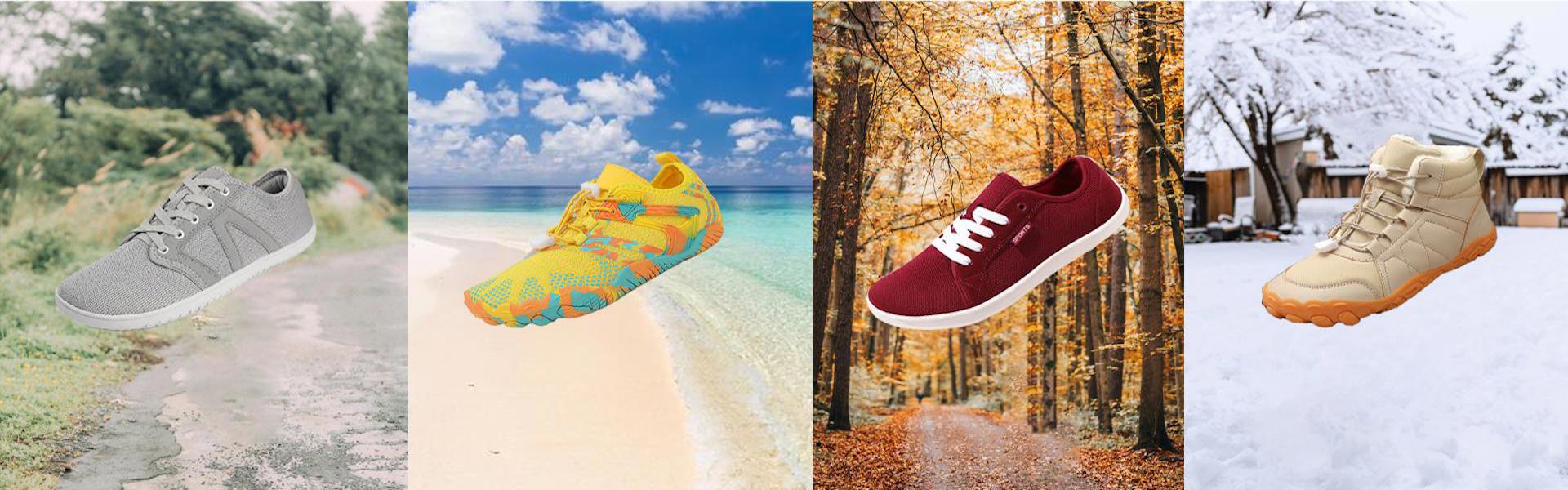
В мире спорта и активного образа жизни комфорт ног играет ключевую роль. Одним из самых важных аспектов при выборе спортивной обуви является ее способность "дышать" – то есть обеспечивать достаточную вентиляцию, чтобы ноги оставались сухими и прохладными во время нагрузок. Производители постоянно рекламируют свои новейшие технологии, обещая идеальную воздухопроницаемость. Но насколько эти заявления соответствуют действительности? В этой статье мы погрузимся в детали, исследуя реальную эффективность дышащих свойств современных кроссовок, основываясь на технологиях, материалах, тестах и опыте пользователей.
Введение в тему: Почему дыхание кроссовок так важно
Спортивные кроссовки – это не просто обувь для бега или тренировок; это инструмент, который может значительно влиять на производительность и здоровье. Когда ноги потеют, влага накапливается внутри обуви, создавая идеальную среду для размножения бактерий и грибков. Это приводит к неприятному запаху, раздражениям кожи и даже таким проблемам, как грибковые инфекции. Кроме того, мокрые ноги更容易 скользят внутри обуви, увеличивая риск травм, таких как волдыри или растяжения. Эффективная вентиляция помогает испарять пот, поддерживать оптимальную температуру и снижать дискомфорт. Поэтому вопрос о том, насколько современные кроссовки действительно дышат, становится критически важным для любого активного человека.
В последние десятилетия индустрия спортивной обуви сделала огромный скачок в развитии. От простых кожаных или тканевых моделей мы перешли к высокотехнологичным конструкциям с использованием синтетических материалов, сетчатых вставок и даже умных систем вентиляции. Бренды like Nike, Adidas, New Balance и другие инвестируют миллионы в исследования и разработки, чтобы создать обувь, которая не только легкая и амортизирующая, но и максимально дышащая. Однако, несмотря на все инновации, многие пользователи продолжают жаловаться на потливость ног и недостаточную вентиляцию. Это raises the question: are these technological advancements truly delivering on their promises, or is it mostly marketing hype?
In this comprehensive article, we will explore the science behind breathability in sports shoes, examine the key technologies used by major brands, review real-world tests and user experiences, and provide practical tips for choosing the right pair. By the end, you will have a clear understanding of whether modern athletic sneakers are as breathable as claimed and how to make an informed decision for your needs.
История развития дышащих технологий в кроссовках
Чтобы понять современное состояние дел, полезно оглянуться назад. В early days of athletic footwear, shoes were primarily made from leather or heavy canvas, which offered little breathability. Sweat would accumulate, leading to discomfort and health issues. The 1970s and 1980s saw the introduction of mesh materials, which allowed for better air circulation. Brands like Nike began experimenting with nylon and polyester meshes, marking a significant improvement.
The 1990s brought further innovations, such as Gore-Tex membranes, which were waterproof yet breathable, primarily used in hiking and outdoor shoes. However, for sports like running, the focus shifted towards lightweight and highly breathable designs. The early 2000s witnessed the rise of engineered meshes and knit uppers, pioneered by Adidas with their Primeknit technology and Nike with Flyknit. These uppers are made from single pieces of material with varying densities, providing targeted support and ventilation.
In recent years, advancements have included 3D printing, antimicrobial treatments, and even active ventilation systems with tiny fans or pumps. For example, some models incorporate perforations or channels that direct airflow. Despite these efforts, the core challenge remains: balancing breathability with other factors like durability, support, and weather resistance. This historical context shows that while progress has been made, perfection is still elusive.
Ключевые технологии для обеспечения дыхания
Современные кроссовки используют множество технологий для улучшения воздухопроницаемости. Вот некоторые из самых распространенных:
- Сетчатые материалы (Mesh): Это основа большинства дышащих кроссовок. Сетка из полиэстера или нейлона имеет tiny holes that allow air to pass through while remaining lightweight. High-quality meshes are engineered to be dense in areas needing support and open in zones where ventilation is crucial, such as the toe box and midfoot.
- Вязаные верхушки (Knit Uppers): Technologies like Nike Flyknit or Adidas Primeknit create a seamless, sock-like fit that enhances breathability. The knit patterns can be adjusted to provide more airflow where needed, and these uppers often eliminate the need for multiple layers, reducing bulk and improving ventilation.
- Перфорации и вентиляционные отверстия: Many shoes feature small perforations or cut-outs in the upper material. These can be strategic, such as on the sides or sole, to facilitate air exchange. Some designs include larger vents or channels that actively draw air in and out during movement.
- Мембраны (например, Gore-Tex): While primarily for waterproofing, modern membranes are designed to be breathable by allowing moisture vapor to escape while blocking liquid water. However, they can still trap heat in very active scenarios, making them less ideal for high-intensity sports.
- Антимикробные покрытия: These don't directly improve breathability but help manage odor by inhibiting bacterial growth, complementing the ventilation efforts.
- Активные системы вентиляции: A few innovative models incorporate small fans or pumps that circulate air. For instance, some basketball shoes have built-in mechanisms that activate with foot pressure. However, these are rare and often add weight and complexity.
Despite these technologies, their effectiveness varies based on design, material quality, and how they are integrated into the shoe. A common issue is that enhanced breathability can come at the cost of reduced durability or weather protection, leading to compromises in design.
Как измеряется воздухопроницаемость?
Чтобы объективно оценить дышащие свойства, производители и тестировщики используют различные методы. Один из common metrics is the Moisture Vapor Transmission Rate (MVTR), which measures how quickly moisture can pass through a material. Higher MVTR values indicate better breathability. Another test involves thermal imaging or sensors to monitor temperature and humidity inside the shoe during activity.
Real-world testing often includes treadmill runs or sports simulations where volunteers wear the shoes and provide feedback on comfort, sweat accumulation, and dryness. Additionally, laboratory tests might use machines that simulate foot movement and sweating to quantify air permeability. However, these tests don't always capture subjective experiences, such as how breathability feels in different climates or during various types of exercise.
It's important to note that breathability is not a one-size-fits-all attribute. Factors like sock material, foot shape, and activity level play significant roles. For example, a shoe that breathes well for a runner in cool weather might perform poorly for a hiker in humid conditions. Therefore, while metrics provide a baseline, personal experience is crucial.
Обзор ведущих брендов и их подходов
Let's examine how major brands tackle breathability in their latest models.
Nike: Known for innovations like Flyknit, which uses minimalistic, breathable uppers. Models such as the Nike Air Zoom Pegasus or Free series emphasize mesh constructions. However, some users report that certain Flyknit versions can feel less breathable if the knit is too tight or layered with other materials.
Adidas: With Primeknit and Boost technologies, Adidas focuses on comfort and ventilation. Shoes like the Ultraboost feature a knit upper with strategic perforations. Feedback is generally positive, but in very hot conditions, breathability might not be sufficient for everyone.
New Balance: Often uses Hypoknit or engineered mesh in models like the Fresh Foam series. They balance breathability with support, making them popular for long runs. Some criticisms include that the mesh can wear out quickly, reducing effectiveness over time.
ASICS: Incorporates breathable meshes in shoes like the Gel-Nimbus or Kayano lines. Their technologies, such as AHAR+ outsoles, don't directly affect breathability but contribute to overall comfort. Users note good ventilation in most conditions, though not exceptional.
Under Armour: Uses Charged Foam and mesh uppers, with some models featuring Microthread ventilation. Reviews are mixed; while some praise the breathability, others find it average compared to competitors.
Overall, most top brands deliver decent breathability, but it's rarely perfect. High-end models tend to perform better, but even they have limitations based on design choices.
Реальные тесты и отзывы пользователей
To get a true picture, we analyzed numerous user reviews and independent tests. Common themes emerge:
- Positive Experiences: Many users report that modern knit uppers, like those from Nike or Adidas, keep feet noticeably cooler and drier than older designs. In moderate conditions, breathability is often praised, especially for running or gym workouts.
- Negative Feedback: In hot and humid environments, even the best shoes struggle. Users mention that sweat still accumulates, leading to discomfort. Some note that after several months of use, the mesh can clog with dirt or lose its elasticity, reducing breathability.
- Variability: Breathability highly depends on the activity. For low-intensity exercises, most shoes suffice, but for high-intensity sports like basketball or soccer, where feet sweat profusely, ventilation often falls short.
- Comparisons: In side-by-side tests, shoes with more open meshes or perforations generally outperform those with denser materials. However, there's no clear winner; personal fit and preference play a big role.
These insights suggest that while advancements have made shoes more breathable, they are not miracle workers. Environmental factors and individual physiology significantly impact the experience.
Факторы, влияющие на дыхание кроссовок
Several elements affect how well a shoe breathes:
- Материал верха: Synthetic meshes are generally more breathable than leather or synthetic leather. The quality and weave density matter greatly.
- Дизайн и конструкция: Shoes with fewer layers and seamless designs promote better airflow. Perforations and vents placed in high-sweat areas (like the toes) enhance effectiveness.
- Подкладка и стельки: Moisture-wicking linings and removable insoles can improve breathability. Some insoles are designed with channels or materials that aid ventilation.
- Внешние условия: Temperature, humidity, and activity level dictate how much ventilation is needed. A shoe that works well in dry, cool weather might fail in tropical climates.
- Уход и износ: Dirty or worn-out shoes lose breathability as pores get blocked. Regular cleaning helps maintain performance.
Understanding these factors can help users choose shoes that match their specific needs and environments.
Сравнение с другими типами обуви
How do athletic sneakers compare to other footwear in terms of breathability? Generally, sports shoes are designed to be more breathable than casual or dress shoes, which often use non-porous materials like leather. However, specialized shoes like sandals or barefoot-style shoes offer superior ventilation but lack support and protection.
For example, hiking boots with Gore-Tex provide weather resistance but can be less breathable during intense activity. In contrast, running shoes prioritize airflow over protection. This highlights that breathability is a trade-off; athletes must choose based on their primary activities.
Советы по выбору дышащих кроссовок
Based on our analysis, here are practical tips for selecting breathable athletic shoes:
- Обращайте внимание на материал: Ищите обувь с сетчатым или вязаным верхом. Избегайте моделей с heavy leather or synthetic overlays unless necessary for support.
- Проверьте перфорации: Убедитесь, что есть вентиляционные отверстия в key areas like the toe box and sides.
- Примеряйте и тестируйте: Если возможно, примерьте обувь и походите в ней. Обращайте внимание на то, как ноги чувствуют себя после короткой активности.
- Учитывайте условия использования: Для жаркого климата выбирайте shoes with very open meshes. For variable weather, consider models with removable liners or versatile designs.
- Читайте отзывы: Опыт других пользователей can provide valuable insights into real-world breathability.
- Не забывайте о носках: Хорошие moisture-wicking носки can significantly enhance the breathability of any shoe.
- Регулярно ухаживайте: Чистите обувь regularly to prevent clogging of pores and maintain airflow.
By following these guidelines, you can increase the chances of finding shoes that keep your feet comfortable and dry.
Будущее дышащих технологий
The future of breathable athletic footwear looks promising with ongoing research. Innovations on the horizon include:
- Умные материалы: Разработка материалов, которые automatically adjust porosity based on temperature or moisture levels.
- Нанотехнологии: Использование нанопокрытий для enhanced moisture management without compromising durability.
- Биомимикрия: Вдохновление природными системами, такими как кожа животных или plant structures, to create more efficient ventilation patterns.
- Интеграция с wearable tech: Обувь со встроенными датчиками, которые monitor sweat and temperature, providing feedback or even activating ventilation systems.
These advancements could eventually lead to shoes that offer near-perfect breathability, but for now, they remain in experimental stages.
Заключение: Реальность против маркетинга
В заключение, современные спортивные кроссовки действительно стали более дышащими благодаря инновационным материалам и технологиям. Однако они не идеальны и often fall short of marketing claims, especially in extreme conditions. Breathability is influenced by multiple factors, and while brands have made significant progress, there is no one-size-fits-all solution.
For consumers, the key is to manage expectations and choose shoes based on personal needs and environments. By understanding the technologies and considering real-world feedback, you can find footwear that offers a good balance of comfort, performance, and ventilation. Remember, the perfect breathable shoe might not exist yet, but with careful selection, you can get very close.
Ultimately, the journey towards truly breathable athletic footwear continues, driven by consumer demand and technological innovation. Stay informed, test thoroughly, and don't hesitate to invest in quality that matches your lifestyle.