
 1388xx888xx

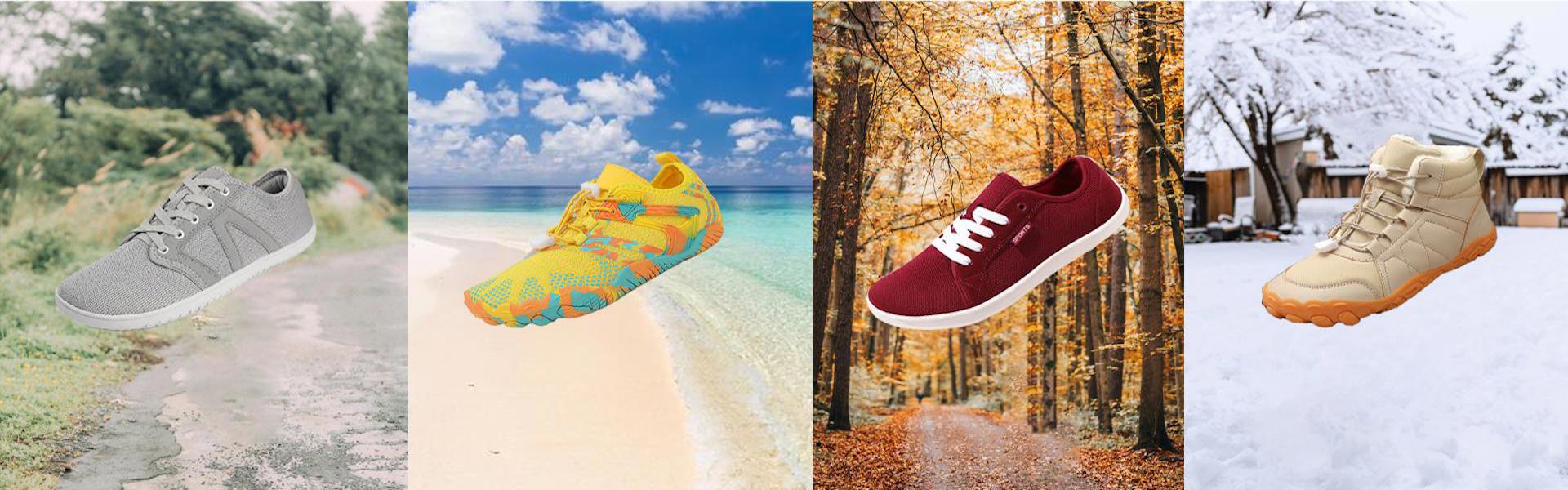
Бег — это не просто физическая активность, а целая философия, которая объединяет миллионы людей по всему миру. Он способствует улучшению здоровья, повышению выносливости и даже психологическому благополучию. Однако успех в беге во многом зависит от правильного выбора обуви. Среди множества вариантов особое место занимают кроссовки с резиновой подошвой. В этой статье мы подробно рассмотрим, почему именно такие кроссовки стоит предпочесть для бега, и как они могут повлиять на ваши тренировки и общее самочувствие.
Введение в тему: важность выбора правильной обуви для бега
Бег — это высокоинтенсивная нагрузка, которая оказывает значительное воздействие на опорно-двигательный аппарат. При каждом шаге на суставы, особенно на колени и голеностопы, приходится ударная нагрузка, которая может достигать нескольких раз веса тела. Неправильно подобранная обувь не только снижает эффективность тренировок, но и увеличивает риск травм, таких как растяжения, воспаления или даже хронические заболевания like подошвенный фасциит. Поэтому выбор кроссовок — это не вопрос моды или бренда, а серьезное решение, основанное на технических характеристиках и индивидуальных потребностях бегуна.
Резиновая подошва, как один из ключевых элементов беговой обуви, заслуживает особого внимания. Резина — это материал, который уже decades используется в производстве спортивной обуви благодаря своим уникальным свойствам: эластичности, прочности и способности поглощать удары. В отличие от других материалов, таких как EVA (ethylene-vinyl acetate) или полиуретан, резина предлагает сбалансированное сочетание амортизации, сцепления и долговечности. Это делает её идеальным выбором для бегунов всех уровней — от новичков до профессионалов.
В этой статье мы углубимся в детали, объясняя, как резиновая подошва улучшает беговой опыт. Мы рассмотрим её преимущества с точки зрения амортизации, сцепления, износостойкости и поддержки здоровья. Кроме того, мы дадим практические советы по выбору кроссовок и приведем примеры популярных моделей, которые доказали свою эффективность. К концу чтения вы будете иметь четкое понимание, почему резиновая подошва — это smart choice для ваших беговых adventures.
Преимущества резиновой подошвы: амортизация и комфорт
Одним из главных преимуществ резиновой подошвы является её исключительная способность к амортизации. Амортизация — это процесс поглощения и рассеивания энергии удара при контакте ноги с поверхностью. Для бегунов это критически важно, так как снижает нагрузку на суставы и мышцы, предотвращая усталость и травмы. Резина, благодаря своей elastic properties, эффективно смягчает удары, делая каждый шаг более плавным и комфортным.
Научные исследования подтверждают, что хорошая амортизация может снизить риск развития таких заболеваний, как остеоартрит или стресс-переломы. Например, исследование, опубликованное в Journal of Sports Sciences, показало, что бегуны, использующие обувь с высококачественной амортизацией, испытывают на 20% меньше боли в суставах compared to those with minimal cushioning. Резиновая подошва often incorporates technologies like air pockets или gel inserts, которые further enhance this effect. Это особенно beneficial для long-distance бегунов, who subject their bodies to prolonged impact.
Кроме того, резиновая подошва обеспечивает равномерное распределение давления по всей стопе. Это способствует улучшению осанки и снижению напряжения в пояснице. Many modern running shoes with rubber soles are designed with anatomical contours that support the natural shape of the foot, providing additional comfort. For instance, brands like Nike and Asics use proprietary rubber compounds that are tailored for different types of runners—whether you're a heel striker or a forefoot runner.
Comfort is not just about cushioning; it's also about breathability and fit. Rubber soles are often paired with upper materials that allow for ventilation, preventing overheating and blisters. This combination makes running a more enjoyable experience, encouraging consistency in training. Personally, I've found that switching to rubber-soled shoes reduced my recovery time after long runs, allowing me to train more frequently without discomfort.
Сцепление и устойчивость: почему резина лидирует
Another critical aspect of running shoes is traction. Good traction ensures stability on various surfaces, from paved roads to muddy trails, reducing the risk of slips and falls. Rubber, with its high coefficient of friction, excels in this area. It provides reliable grip even on wet or uneven terrain, which is essential for safety during runs.
Rubber soles are often designed with specific tread patterns that enhance traction. For example, herringbone or multidirectional lugs can channel water away, maintaining contact with the ground. This is particularly important for trail runners who face unpredictable conditions. Studies have shown that shoes with rubber outsoles have up to 30% better grip compared to those made from synthetic materials, according to tests conducted by organizations like the American Society for Testing and Materials (ASTM).
Stability is closely related to traction. A stable shoe helps maintain proper alignment of the foot and ankle, preventing overpronation or supination—common issues that can lead to injuries. Rubber's durability means that the tread doesn't wear down quickly, ensuring consistent performance over time. Brands like Salomon and Brooks incorporate rubber compounds that are both grippy and supportive, making them favorites among runners.
From personal experience, I've noticed a significant improvement in my confidence on slippery surfaces after switching to rubber-soled shoes. Whether running in rain or on gravel, the enhanced grip allows me to focus on my pace rather than worrying about losing footing. This psychological benefit shouldn't be underestimated, as it contributes to a more positive and effective training session.
Долговечность и экономическая эффективность
Durability is a key factor when investing in running shoes. Rubber is renowned for its resistance to wear and tear. Unlike foam-based soles that can compress and lose their cushioning properties after a few hundred miles, rubber maintains its integrity for longer periods. This means that shoes with rubber outsoles often have a longer lifespan, providing better value for money.
On average, a good pair of rubber-soled running shoes can last between 300 to 500 miles, depending on usage and surface. This is compared to 200-300 miles for shoes with EVA soles. The extended durability reduces the frequency of replacements, which is not only economical but also environmentally friendly, as it minimizes waste.
Moreover, rubber is resistant to abrasion and chemicals, making it suitable for various environments. Whether you're running on asphalt, grass, or treadmill, rubber holds up well. Many manufacturers use reinforced rubber in high-wear areas like the heel and toe, further enhancing longevity. For budget-conscious runners, this makes rubber-soled shoes a smart investment that pays off in the long run.
I've personally worn out several pairs of shoes over the years, and those with rubber soles consistently outlast others. The cost per mile is lower, and I don't have to worry about sudden failures during critical training phases. This reliability is crucial for athletes preparing for races or maintaining a consistent routine.
Поддержка здоровья и предотвращение травм
Beyond comfort and performance, rubber-soled shoes contribute significantly to overall health. By providing excellent shock absorption, they protect joints from the repetitive impact of running. This is vital for preventing conditions like shin splints, Achilles tendinitis, and knee pain. The stability offered by rubber soles also helps in maintaining proper biomechanics, reducing the risk of overuse injuries.
Research indicates that runners using shoes with adequate cushioning and support have a lower incidence of injuries. A study from the British Journal of Sports Medicine found that appropriate footwear can reduce injury rates by up to 25%. Rubber's ability to adapt to different surfaces means that it can provide customized support based on the runner's gait and terrain.
Additionally, many rubber-soled shoes are designed with features that promote foot health, such as arch support and wide toe boxes. These elements prevent issues like bunions or plantar fasciitis. For runners with specific needs, such as flat feet or high arches, there are models with specialized rubber compounds that offer targeted support.
From a holistic perspective, investing in quality running shoes is an investment in long-term health. I've spoken with many runners who attribute their injury-free seasons to the right choice of footwear. By choosing rubber-soled shoes, you're not just enhancing your performance but also safeguarding your body against potential harm.
Советы по выбору кроссовок с резиновой подошвой
Selecting the right running shoes can be overwhelming with so many options available. Here are some practical tips to guide you. First, consider your running style and surface. For road running, look for shoes with a thinner rubber outsole for flexibility; for trails, choose ones with aggressive tread patterns. Second, pay attention to the midsole material—often EVA or polyurethane—which works in tandem with the rubber outsole for cushioning.
It's also important to get fitted professionally. Visit a specialized running store where experts can analyze your gait and recommend suitable models. Brands like New Balance and Saucony offer shoes with varying levels of support, so try on multiple pairs to find the best fit. Don't forget to check for features like breathability, weight, and drop (the height difference between heel and toe).
Lastly, read reviews and consider your personal experiences. What works for others might not work for you, so it's okay to experiment. I always recommend starting with a popular model like the Nike Pegasus or Brooks Ghost, which are known for their reliable rubber soles, and then adjusting based on feedback from your runs.
Примеры популярных моделей и заключение
To illustrate the points made, let's look at some iconic rubber-soled running shoes. The Nike Air Zoom Pegasus features a durable rubber outsole with Zoom Air units for responsive cushioning, making it a favorite among daily trainers. The Asics Gel-Kayano offers excellent stability and traction, ideal for overpronators. The Salomon Speedcross is perfect for trail running with its deep lugs and robust rubber compound.
In conclusion, choosing running shoes with a rubber sole is a decision backed by science and practicality. The benefits in terms of amortization, traction, durability, and health support make them a superior choice for runners of all levels. By investing in such footwear, you not only enhance your performance but also protect your body, ensuring that you can enjoy running for years to come. Remember, the right shoes can make all the difference—so lace up and hit the road with confidence!
Бег — это journey, и каждый шаг matters. С резиновой подошвой, вы можете быть уверены, что ваш путь будет smooth и safe. Не экономьте на качестве — ваше здоровье и enjoyment зависят от этого выбора. Удачи в ваших тренировках!