
 1388xx888xx

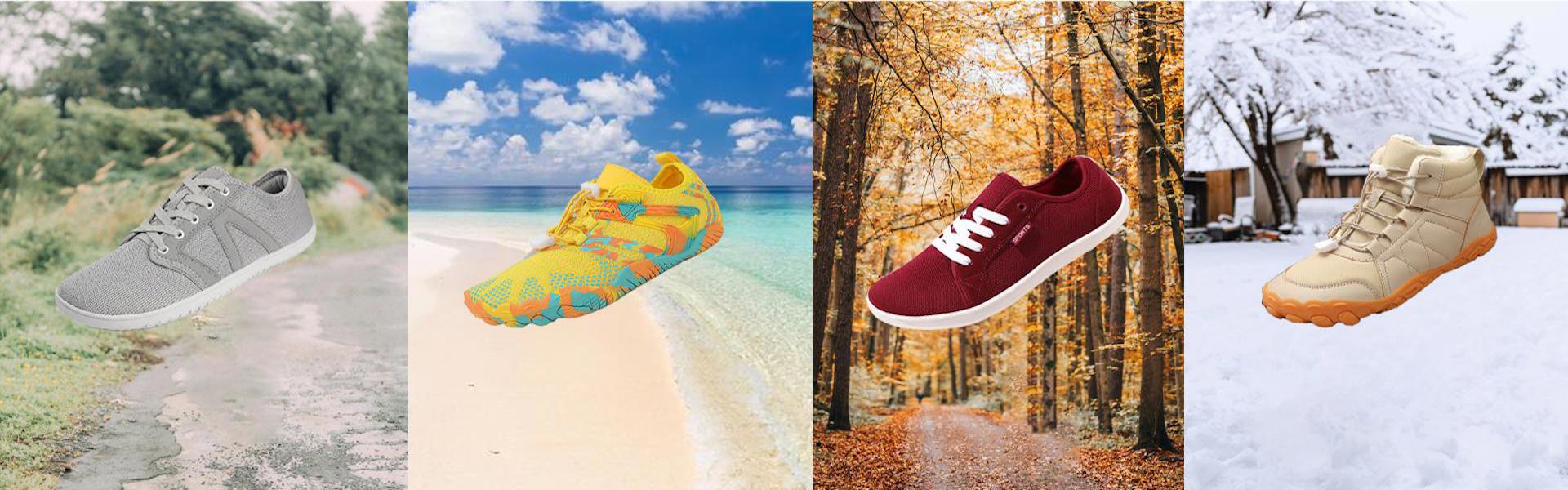

В современном мире, где темп жизни постоянно ускоряется, мужчины все чаще стремятся к активному образу жизни, который включает в себя спорт, путешествия, работу и повседневные занятия. В таком контексте обувь играет ключевую роль, обеспечивая не только комфорт, но и поддержку, стабильность и безопасность. Устойчивая обувь для мужчин становится незаменимым элементом гардероба, предлагая надежность и долговечность, которые необходимы для поддержания высокого уровня активности. В этой статье мы подробно рассмотрим, почему устойчивая обувь является идеальным выбором для современных мужчин, ее преимущества, технологии производства, а также как правильно подобрать и ухаживать за такой обувью. Мы также затронем экологические аспекты и будущие тенденции в индустрии, чтобы дать вам полное представление о том, как сделать осознанный и выгодный выбор.
Преимущества устойчивой обуви
Устойчивая обувь для мужчин предлагает множество преимуществ, которые делают ее предпочтительным вариантом для тех, кто ведет активный образ жизни. Во-первых, она обеспечивает превосходную поддержку стопы, что особенно важно при длительной ходьбе, беге или занятиях спортом. Современные технологии, такие как амортизирующие подошвы и ортопедические стельки, помогают снизить нагрузку на суставы и предотвратить травмы. Например, многие бренды используют материалы like EVA или полиуретан, которые поглощают удары и обеспечивают комфорт даже на неровных поверхностях. Это не только улучшает общее самочувствие, но и повышает производительность в повседневных делах.
Во-вторых, устойчивая обувь характеризуется высокой износостойкостью. Благодаря использованию качественных материалов, таких как кожа, синтетические волокна или переработанные компоненты, такая обувь способна выдерживать интенсивное использование без потери формы или функциональности. Это делает ее экономически выгодной инвестицией, так как она служит дольше, чем обычная обувь, и требует меньше замен. Кроме того, многие устойчивые модели designed with waterproof or breathable features, which adapt to various weather conditions, making them versatile for outdoor activities. For instance, hiking boots with Gore-Tex lining provide protection from moisture while allowing feet to breathe, ensuring comfort during long treks.
Третье преимущество — экологическая ответственность. Устойчивая обувь often produced using sustainable practices, such as reducing carbon footprint, using recycled materials, or supporting fair labor conditions. This not only benefits the environment but also aligns with the values of conscious consumers who prioritize sustainability in their purchases. Brands like Allbirds or Veja have gained popularity for their commitment to eco-friendly production, offering stylish and functional options that reduce environmental impact. By choosing such footwear, men can contribute to a greener planet while enjoying high-quality products.
Четвертое, устойчивая обувь promotes overall health and well-being. Proper footwear can prevent common issues like plantar fasciitis, blisters, or back pain by providing adequate arch support and cushioning. This is crucial for active individuals who spend long hours on their feet, whether at work or during leisure activities. Additionally, the psychological benefit of wearing comfortable and reliable shoes boosts confidence and motivation, encouraging a more active lifestyle. For example, a well-fitted pair of running shoes can enhance performance and reduce the risk of injuries, making workouts more enjoyable and effective.
In summary, the advantages of sustainable footwear extend beyond mere functionality to include durability, environmental benefits, and health improvements. By investing in such shoes, men can ensure they are well-equipped for any activity while making a positive impact on the world. In the following sections, we will delve deeper into the technologies behind these shoes, how to choose the right pair, and tips for maintenance to maximize their lifespan.
Технологии в устойчивой обуви
Современная устойчивая обувь incorporates advanced technologies that enhance its performance and sustainability. One key technology is the use of bio-based materials, such as organic cotton, recycled polyester, or plant-based leather alternatives like Piñatex made from pineapple fibers. These materials reduce reliance on non-renewable resources and minimize waste. For instance, Adidas has developed shoes with uppers made from recycled ocean plastic, turning pollution into functional footwear. This not only addresses environmental issues but also offers lightweight and durable options for consumers.
Another important technology is innovative sole construction. Many sustainable shoes feature outsoles made from natural rubber or recycled materials that provide excellent grip and flexibility. Additionally, midsole technologies like Boost or CloudTec from brands like On Running offer superior cushioning and energy return, which is essential for running or hiking. These technologies are designed to adapt to the wearer's movements, reducing fatigue and improving overall comfort. For example, the BOA lacing system allows for quick and precise adjustments, ensuring a secure fit without traditional laces that can wear out over time.
Breathability and moisture management are also critical aspects. Technologies such as mesh linings or antimicrobial treatments help keep feet dry and odor-free, which is vital for active use. Brands like Merrell use M Select™ DRY technology to waterproof shoes while maintaining breathability, making them ideal for wet conditions. Furthermore, some shoes incorporate smart features, such as embedded sensors that track steps or provide feedback on gait, though these are more common in high-end models. These innovations not only enhance functionality but also align with the trend towards connected health and fitness.
Production processes have also evolved to be more sustainable. Many companies adopt waterless dyeing techniques, energy-efficient manufacturing, and closed-loop systems that recycle waste. For instance, Nike's Flyknit technology reduces material waste by knitting uppers from single pieces of yarn. This approach minimizes environmental impact while delivering high-performance shoes. Additionally, certifications like Bluesign or OEKO-TEX ensure that materials are safe and sustainably sourced, giving consumers confidence in their purchases.
Overall, the integration of these technologies makes sustainable footwear not only eco-friendly but also highly functional and comfortable. As research and development continue, we can expect even more innovations that push the boundaries of what sustainable shoes can offer. In the next section, we will discuss how to choose the right sustainable footwear based on individual needs and activities.
Как выбрать устойчивую обувь
Выбор устойчивой обуви requires careful consideration of several factors to ensure it meets your specific needs. First, identify the primary activity for which you need the shoes. For running, look for models with good cushioning and flexibility, such as those from Brooks or Hoka. For hiking, prioritize waterproofing, ankle support, and rugged outsoles, like those offered by Salomon or The North Face. Everyday wear might call for versatile options that balance comfort and style, such as sneakers from Allbirds or ethical brands like Nisolo.
Second, pay attention to fit and sizing. Sustainable shoes should provide a snug yet comfortable fit, with enough room for toes to move freely. It's advisable to try shoes on in the afternoon when feet are slightly swollen, as they are at their largest. Many brands offer size guides and virtual fitting tools to help with online purchases. Additionally, consider the width of the shoe; some models come in multiple width options to accommodate different foot shapes. A proper fit prevents blisters and ensures optimal support.
Third, evaluate the materials and construction. Look for shoes made from sustainable materials like organic cotton, recycled plastics, or natural rubber. Check for certifications that verify environmental claims, such as Global Recycled Standard or Leather Working Group for leather products. The construction should be sturdy, with reinforced stitching and quality adhesives that enhance durability. For example, Goodyear welting is a traditional method that allows soles to be replaced, extending the shoe's life.
Fourth, consider the brand's ethics and transparency. Research the company's commitment to sustainability, including their labor practices, carbon neutrality efforts, and community initiatives. Brands that publish sustainability reports or have B Corp certification are generally more reliable. Reading reviews from other consumers can also provide insights into real-world performance and longevity.
Lastly, think about versatility and style. While functionality is key, sustainable shoes should also match your personal style and be appropriate for various occasions. Many modern designs blend aesthetics with performance, offering options from casual to formal. By taking these factors into account, you can select sustainable footwear that not only supports your active lifestyle but also aligns with your values. In the following section, we will cover maintenance tips to keep your shoes in top condition.
Уход и обслуживание устойчивой обуви
Proper maintenance is essential to extend the lifespan of sustainable footwear and maximize its benefits. Start by regular cleaning. For shoes made of materials like canvas or synthetic fabrics, use a soft brush and mild soap to remove dirt. Avoid harsh chemicals that can damage the materials or harm the environment. For leather shoes, apply conditioner periodically to prevent cracking and maintain suppleness. Waterproof treatments can be reapplied as needed to retain water resistance, especially after heavy use.
Storage is another important aspect. Keep shoes in a cool, dry place away from direct sunlight, which can cause colors to fade and materials to degrade. Use shoe trees or stuff them with paper to maintain their shape when not in use. For athletic shoes, allow them to air out after each use to prevent odor and moisture buildup. Rotating between multiple pairs can also reduce wear and tear, giving each shoe time to recover.
Repair instead of replace. Many sustainable shoes are designed with repairability in mind. If soles wear out or stitching comes loose, seek out cobblers who can perform repairs. This not only saves money but also reduces waste. Some brands even offer repair services or sell replacement parts, encouraging a circular economy. For example, Patagonia's Worn Wear program promotes repairing and reusing products, including footwear.
Additionally, be mindful of how you use the shoes. Avoid exposing them to extreme conditions unnecessarily, such as submerging non-waterproof models or using them for activities they weren't designed for. Following the manufacturer's care instructions can prevent premature damage. By adopting these maintenance practices, you can ensure your sustainable footwear remains functional and comfortable for years, reinforcing your commitment to an active and eco-friendly lifestyle. In the next section, we will explore the environmental impact of footwear production and how sustainable choices make a difference.
Экологический аспект устойчивой обуви
Производство обуви has a significant environmental footprint, from resource extraction to waste generation. Traditional shoe manufacturing often involves high water usage, chemical pollution, and greenhouse gas emissions. For instance, leather production requires large amounts of water and can lead to deforestation and habitat loss. Synthetic materials like polyester are derived from petroleum and contribute to microplastic pollution. By contrast, sustainable footwear aims to mitigate these impacts through various strategies.
One approach is the use of recycled materials. Brands incorporate recycled plastics, rubber, and textiles into their shoes, reducing the demand for virgin resources and diverting waste from landfills. For example, Adidas' partnership with Parley for the Oceans has resulted in shoes made from recycled ocean plastic, raising awareness about marine pollution. This not only conserves resources but also promotes a circular economy where materials are reused multiple times.
Another strategy is adopting eco-friendly production methods. Waterless dyeing techniques, solar-powered factories, and reduced packaging are becoming more common. Companies like Allbirds use carbon footprint labeling to transparency show the environmental impact of each product, empowering consumers to make informed choices. Additionally, sustainable forestry practices for materials like cork or organic cotton ensure that ecosystems are preserved.
End-of-life considerations are also crucial. Sustainable shoes are often designed for disassembly, allowing components to be recycled or composted. Biodegradable materials, such as those made from algae or mushrooms, are emerging as alternatives that break down naturally without harming the environment. Programs like Nike's Grind initiative recycle old shoes into new products or surfaces for playgrounds, closing the loop on waste.
By choosing sustainable footwear, consumers can reduce their ecological footprint and support industries that prioritize planet health. This collective effort can drive broader changes in the fashion industry, encouraging more brands to adopt sustainable practices. In the final section, we will look at future trends in sustainable footwear and how they might evolve to meet growing demands.
Будущие тенденции в устойчивой обуви
The future of sustainable footwear is bright, with innovations poised to make it even more accessible and effective. One trend is the rise of personalized and on-demand manufacturing. Using 3D printing and digital design, brands can create shoes tailored to individual foot shapes and preferences, reducing waste from mass production. This technology allows for rapid prototyping and customization, enhancing comfort and fit while minimizing environmental impact.
Another trend is the integration of smart technology. Footwear with embedded sensors can monitor health metrics like步数, posture, or pressure points, providing data to improve athletic performance or prevent injuries. These smart shoes can sync with apps to offer personalized recommendations, making them valuable tools for active individuals. As battery technology improves, such features will become more energy-efficient and longer-lasting.
Material science will continue to advance, with new bio-based and lab-grown materials offering superior sustainability. For instance, leather alternatives from mushroom mycelium or fruit waste are gaining traction for their low environmental impact and versatility. These materials can be engineered to have specific properties, such as enhanced durability or breathability, meeting the demands of various activities.
Collaborations and industry standards will also play a key role. Partnerships between footwear brands and environmental organizations can accelerate innovation and scale sustainable practices. Increased regulation and consumer demand for transparency will push companies to adopt stricter sustainability criteria, leading to more certified and trustworthy products.
In conclusion, sustainable footwear for men is not just a trend but a necessity for an active lifestyle that values health, durability, and environmental responsibility. By staying informed about advancements and making conscious choices, consumers can enjoy high-quality shoes that support their goals and contribute to a better world. This article has covered the essentials, from benefits to future outlook, empowering you to make the best decision for your needs.